The Impact and Reach of Children’s Physiotherapy
Paediatric physiotherapy is a specialised area focused on improving the physical health and functional abilities of children from infancy through adolescence. This branch of physiotherapy is essential in supporting the development and well-being of children facing a wide range of physical challenges. It addresses conditions ranging from congenital disabilities and neurological disorders to developmental delays and plays a significant role in enhancing a child’s mobility, strength, and participation in daily activities.
Definition and Scope
Paediatric physiotherapy encompasses various interventions that are individually tailored to each child. The treatment plans are dynamic, adapting as children grow and their needs change. Through evaluation and customised care, physiotherapists work to optimise the potential for movement and function. The therapy involves an understanding of typical childhood development and pathology, necessitating a keen ability to identify deviations from normal growth patterns.
Techniques and Approaches
Therapists employ diverse methods to address physical impairments, promote optimal growth, and prevent disability. These techniques include:
– Therapeutic Exercises: Exercises tailored to improve strength, coordination, and balance. Engaging activities are often designed to be both therapeutic and enjoyable for children.
– Manual Therapy: Hands-on techniques to mobilise joints and soft tissue, assisting with pain relief and mobility improvement.
– Neuromuscular Training: Focused on enhancing the relationship between the nervous and muscular systems, this training is crucial for children with cerebral palsy, spina bifida, or traumatic brain injuries.
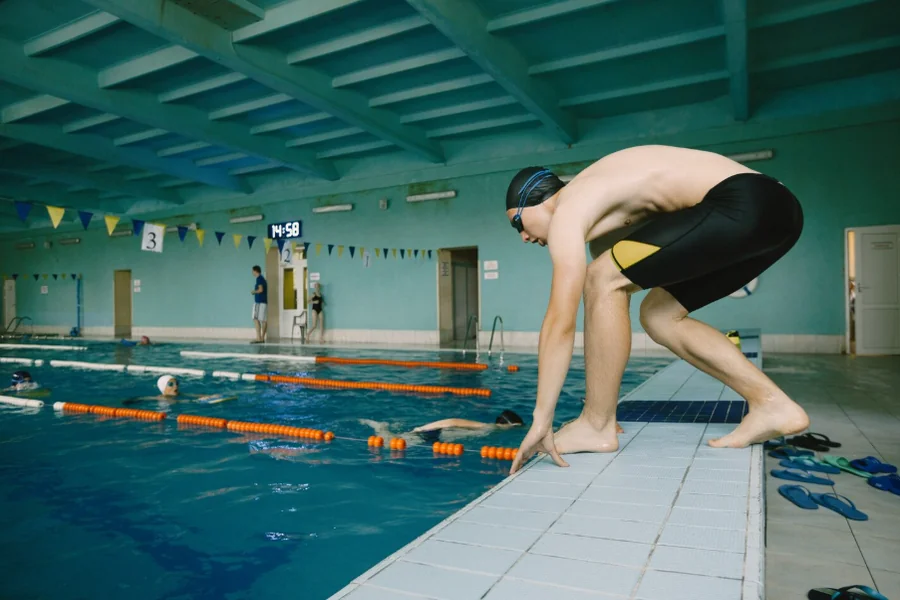
– Hydrotherapy: Utilises water resistance to provide gentle support and resistance, beneficial in improving muscle strength and joint movement.
Conditions Treated
Paediatric physiotherapists deal with a diverse array of conditions, which may require short-term intervention or ongoing management. These include:
– Cerebral Palsy: A group of disorders affecting muscle tone, movement, and coordination, requiring specific interventions to improve mobility and function.
– Developmental Delay: Occurs when a child does not achieve developmental milestones as expected. Therapy focuses on promoting normal development milestones.
– Musculoskeletal Disorders: Conditions like clubfoot, juvenile arthritis, and fractures require precise physiotherapy to ensure proper healing and function.
– Neuromuscular Disorders: Conditions like muscular dystrophy and spinal muscular atrophy require ongoing therapy to maximise muscle function and slow progression.
The Role of Family and Caregivers
Successful therapeutic outcomes are greatly enhanced by the active involvement of family members and caregivers. They play a pivotal role in the day-to-day therapy process, reinforcing exercises and supportive activities at home. Physiotherapists often work closely with families, offering guidance on integrating therapeutic activities into daily routines. This collaboration ensures continuity of care and optimises progress.
Therapeutic Environments
The environment in which therapy takes place can greatly influence outcomes. A variety of settings are utilised depending on the specific needs of the child:
– Clinics: Provide a controlled environment with access to specialised equipment.
– Homes: Familiar environments encourage relaxation and a child-friendly atmosphere, promoting better engagement.
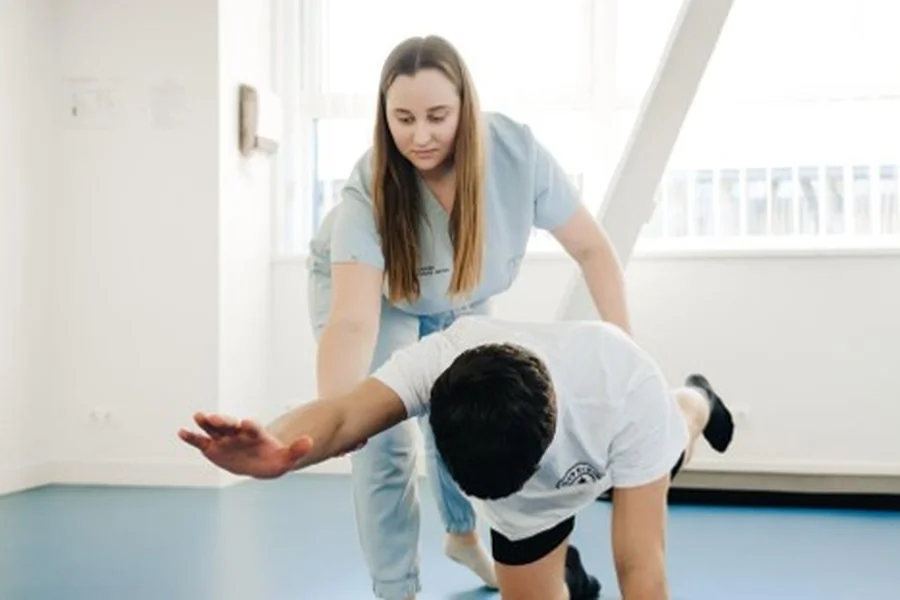
– School Settings: Integration of therapy within school environments ensures therapy accessibility and encourages peer support.
Importance of Interdisciplinary Teams
Paediatric therapy is most effective when conducted in a multidisciplinary context. Collaboration with occupational therapists, speech and language therapists, and medical professionals ensures a holistic approach to the child’s rehabilitation. These teams work together to create comprehensive care plans that encompass all aspects of child health and development.
Trends and Future Directions
Advancements in technology and research continue to shape the future of paediatric physiotherapy. Innovations such as robotics, virtual reality, and computer-based interventions are emerging, offering new avenues for enhancing therapy effectiveness. Moreover, the increasing emphasis on evidence-based practice is driving improvements in intervention strategies and outcomes.
Finally, it is essential for paediatric physiotherapists to engage in ongoing professional development to stay current with these advancements, ensuring they provide the best possible care and support for children.
Resources for Further Learning
Various resources are available for those seeking to learn more or become involved in the paediatric physiotherapy field. Continuous education through workshops, seminars, and online resources remains crucial for professionals wishing to enhance their skills and knowledge, ensuring they are equipped to provide high-quality care to young patients and their families.
For more details on paediatric physiotherapy practices and resources, visit Paediatric Physiotherapy.