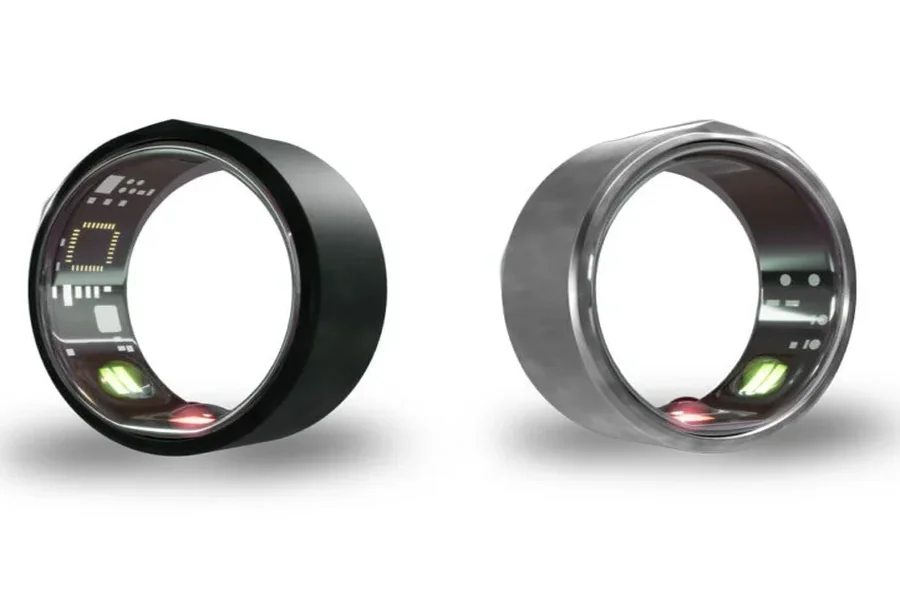
What Makes the Medfy-Ring Smart Ring Different from Traditional Wearables
Wearable health technology used to follow a familiar pattern. Watches, fitness bands, and chest straps dominated the conversation for years. Most tracked movement, heart rate, and sleep while sitting are visible on the wrist.
Over time, some people started feeling friction with traditional devices. Watches felt bulky during sleep. Medfy-Ring Smart Ring for Efficient Sleep Tracking offers a more discreet alternative for users who want to monitor sleep patterns without the discomfort of larger wearable devices. Fitness bands interrupted formal wear or daily comfort. Notifications created a distraction rather than support.
Smart rings entered the conversation as a quieter alternative.
The Medfy-Ring Smart Ring sits inside this shift by focusing on health tracking through a smaller form factor designed for constant wear.
A Smaller Device Changes Daily Use
One difference between smart rings and traditional wearables comes down to physical experience.
A ring feels less visible during daily activity. Typing, sleeping, exercising, and dressing often continue without the same awareness people feel with larger wrist devices.
Some users stop wearing smartwatches overnight because the straps feel uncomfortable or the battery life becomes inconvenient. Rings tend to feel less intrusive once sizing feels right.
Comfort matters more than expected because wearable data only becomes useful when devices stay on consistently.
A tracker sitting on a bedside table provides no health insight at all.
Health Tracking Without Constant Screen Use
Traditional wearables often blend health tracking with communication.
Notifications, messages, calendar reminders, calls, and apps compete for attention alongside wellness features. For some people, this creates convenience. Others begin feeling overloaded by interruptions.
A smart ring works differently.
The Medfy-Ring Smart Ring places a stronger emphasis on passive monitoring. Health data collection happens quietly in the background without requiring frequent screen interaction.
This appeals to people who want information without constant prompts or visible digital distractions.
The experience feels closer to observation than interruption.
Sleep Tracking Often Becomes More Comfortable
Sleep tracking is one area where smaller wearables attract attention.
Many people remove watches at night because of discomfort, wrist irritation, or battery concerns. Rings tend to interfere less during sleep due to lower weight and smaller surface area.
Sleep monitoring often includes measurements tied to movement, heart rate patterns, and recovery signals.
Long-term sleep trends matter more than one isolated night.
Tracking consistency becomes easier when a device feels comfortable enough to forget.
This is one reason smart rings gained attention among people interested in recovery, sleep quality, and general wellness habits.
Why Constant Monitoring Feels Different in a Ring
Traditional fitness wearables often encourage active engagement.
People check steps repeatedly, monitor workouts, or respond to notifications throughout the day. Smart rings often create a quieter relationship with data.
The Medfy-Ring Smart Ring collects information continuously while staying less visible during everyday routines.
That subtlety changes behaviour for some users.
Health awareness becomes more passive. Patterns emerge over time rather than through repeated checking during the day.
A gradual drop in sleep quality, rising resting heart rate, or reduced recovery trend becomes easier to notice across weeks rather than isolated moments.
Design and Lifestyle Considerations
Wearable adoption often depends on whether technology fits ordinary life.
Large sports watches suit fitness-focused routines, though they do not always match professional clothing, formal events, or personal preference.
Smart rings blend into daily wear more easily because they resemble jewellery rather than equipment.
This matters more than aesthetics alone.
A device that feels easier to wear consistently usually collects more reliable long-term information.
Consistency often outweighs feature quantity.
An advanced wearable only helps if people continue wearing it.
Battery, Charging, and Habit Formation
Charging routines shape long-term use.
Many traditional smartwatches require regular charging, sometimes daily, depending on features. Missed charging interrupts data tracking.
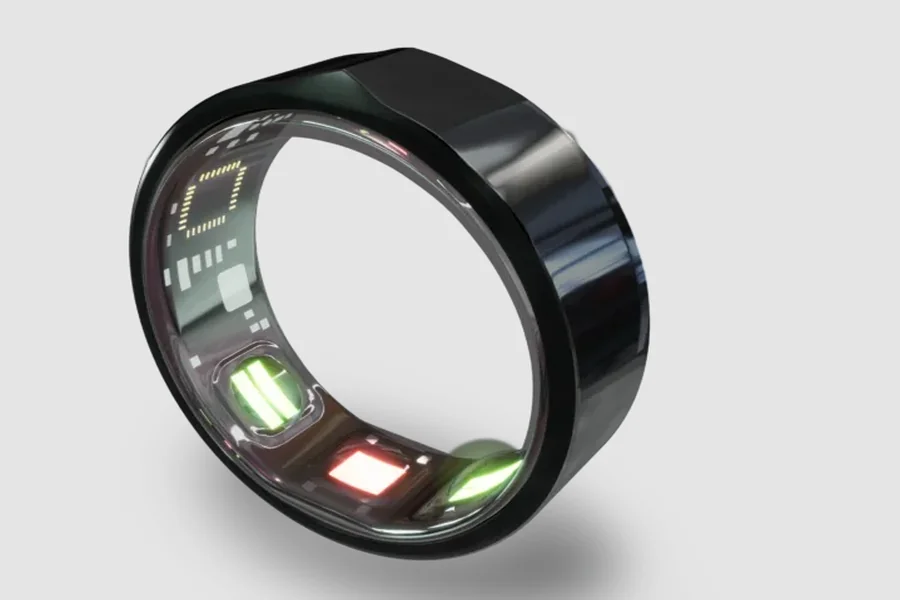
Smart rings often focus on efficiency because of their smaller size and passive tracking design.
Battery expectations vary by device, though wearability matters here too. Short charging periods fit more naturally into routines when users already wear rings continuously.
Habit formation becomes easier when maintenance feels manageable.
Small inconveniences repeated daily often affect long-term behaviour more than expected.
Why Simplicity Appeals to Some Users
Not everyone wants deep workout dashboards or dozens of app features.
Some users prefer simpler visibility into sleep, activity, recovery, and wellness trends without managing constant alerts or large interfaces.
The Medfy-Ring Smart Ring fits this preference by leaning toward quieter observation.
The appeal often sits in reduced friction.
No bulky watch face. Less interruption. Less visible technology during ordinary movement.
Health tracking becomes easier to ignore until insight feels useful.
Choosing Between a Smart Ring and Traditional Wearables
The decision often depends on routine and preference.
Someone focused heavily on workout metrics, GPS tracking, or sports performance may still prefer a smartwatch or fitness band. People interested in passive wellness tracking, sleep monitoring, and subtle design sometimes lean toward smart rings.
Neither option works universally.
The Medfy-Ring Smart Ring feels different from traditional wearables because the experience shifts from active interaction toward background observation.
For some people, less visible technology creates better long-term consistency. That consistency often shapes whether wearable data becomes useful at all.