How Private Swimming Lessons Can Improve Confidence and Technique
Swimming ability develops at different speeds. Private swimming lessons for all ages provide personalised guidance that helps learners build confidence and improve their swimming skills at a comfortable pace. Some people feel comfortable in water quickly, while others spend weeks adjusting to floating, breathing, or basic movement. Confidence plays a larger role than many expect.
A person struggling in group lessons may not lack ability at all. Sometimes the pace feels too fast. Sometimes embarrassment slows progress. Fear of water, past experiences, or simple discomfort around strangers also shapes how quickly skills develop.
Private swimming lessons create a more controlled learning environment. The attention shifts toward individual needs instead of group pacing.
For beginners and experienced swimmers alike, this often changes how confidence develops.
Individual Attention Changes Learning Speed
In group settings, instructors divide attention across multiple swimmers. Corrections happen, though time stays limited. A student struggling with breathing technique or body position may receive only brief feedback before the class moves forward.
Private lessons work differently.
Instruction focuses on one swimmer at a time. Stroke errors, posture problems, and breathing habits receive immediate correction. Small mistakes become easier to spot before they turn into repeated habits.
For example, lifting the head too high during freestyle often affects breathing rhythm and body position. In a private setting, this issue gets corrected quickly because attention stays focused.
Progress often feels steadier when feedback becomes immediate.
Confidence Often Improves Before Technique
Swimming confidence usually develops through repetition and familiarity.
Many learners feel nervous around deep water, crowded pools, or fast-moving classes. Some avoid practising altogether because embarrassment outweighs motivation.
Private lessons reduce outside pressure.
There is more space to move at a comfortable pace. Questions feel easier to ask. Repeating basic movements feels less uncomfortable without comparison to stronger swimmers nearby.
For nervous beginners, confidence sometimes improves before technical skill.
A student who trusts the water more often relaxes physically. That relaxation improves breathing, floating, and movement efficiency naturally.
The emotional side of learning matters more than many expect.
Technique Becomes Easier to Refine
Swimming technique depends on timing, coordination, breathing, and body positioning working together.
Small technical mistakes often reduce efficiency more than effort.
A weak kick, poor hand entry, tense shoulders, or mistimed breathing pattern creates drag in the water. Many swimmers compensate by working harder instead of moving better.
Private coaching allows detailed correction.
An instructor may spend an entire session improving body alignment, breathing rhythm, or arm positioning, depending on the swimmer’s needs. These adjustments often create noticeable improvements in comfort and endurance.
Technique refinement usually works best when broken into smaller pieces rather than rushed through all at once.
Lessons Adapt to Different Goals
Not everyone takes swimming lessons for the same reason.
Some adults want basic water safety. Children may need confidence around pools. Competitive swimmers often focus on speed, endurance, or stroke efficiency.
Private lessons allow training to match the goal.
A beginner nervous around water needs patience and repetition. A triathlete training for freestyle endurance needs technical efficiency and pacing strategies. A child preparing for school swim programmes may need familiarity with breathing and floating.
Personalisation changes how lessons progress.
Learning tends to feel more relevant when practice connects directly to the swimmer’s reason for attending.
Faster Feedback Often Reduces Frustration
Swimming frustration builds quickly when problems repeat without explanation.
A swimmer may struggle with floating or breathing for weeks without understanding why. Group lessons sometimes move too quickly to address the root issue.
Private instruction shortens feedback time.
An instructor watches movement closely, explains what feels off, and adjusts technique immediately. Small improvements often happen faster because corrections occur during the problem itself rather than later.
This matters for motivation.
People tend to continue learning when improvement feels visible.
Why Adults Often Prefer Private Lessons
Adult learners sometimes avoid swimming because embarrassment feels difficult to overcome.
Fear of looking inexperienced, anxiety around deep water, or frustration about slow progress often stops adults from joining public classes.
Private swimming lessons remove much of that pressure.
Learning happens at an individual pace without comparison. Mistakes feel easier to work through privately. Some adults spend several sessions building comfort in shallow water before moving forward.
That slower pace often supports stronger long-term confidence.
Progress may feel gradual, though consistency usually matters more than speed.
Repetition Builds Skill and Comfort
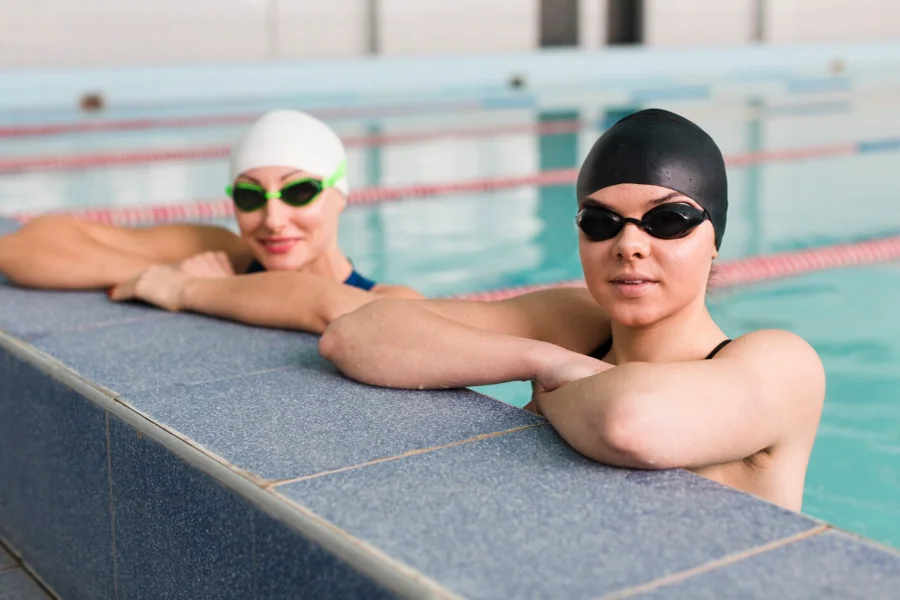
Swimming relies heavily on repetition.
Confidence improves through repeated success in controlled situations. Technique improves through repeated movement correction. Breathing feels smoother after enough consistent practice.
Private lessons allow repetition without pressure to keep up.
An instructor may repeat one movement pattern several times until comfort develops instead of pushing forward too quickly.
The process sometimes feels slower at first, though stronger foundations often improve long-term learning.
Why Confidence and Technique Work Together
Confidence and technique influence each other closely.
Poor confidence often creates tension. Tension disrupts breathing and body position. Poor technique then increases frustration, which reduces confidence again.
Private lessons often interrupt this cycle.
More focused instruction helps swimmers feel safer, move more efficiently, and understand mistakes earlier. Improvement tends to feel more manageable when lessons adjust to individual pace and goals.
Swimming skill grows through repetition, correction, and trust in the process. For many learners, private swimming lessons create enough structure and support to make progress feel possible instead of overwhelming.