The Modern Marvel of Lab-Grown Diamonds
The evolution of the diamond industry has taken a fascinating turn with the advent of lab-grown diamonds. These gems, identical to their natural counterparts in optical, physical, and chemical properties, are conquering the jewellery market at a remarkable pace. To understand the nuances of this breakthrough, one must first learn about lab-grown diamonds, which have been a topic of discussion due to their sustainable approach and economic advantages.
The Science Behind Lab-Grown Diamonds
Lab-grown diamonds are created using advanced technological processes in controlled laboratory environments. Two primary methods are employed: High Pressure High Temperature (HPHT) and Chemical Vapour Deposition (CVD). The HPHT technique simulates the extreme pressure and temperature conditions found in the Earth’s mantle, where natural diamonds form over millennia. Alternatively, the CVD method involves breaking down the molecules of carbon-rich gas, such as methane, in a vacuum chamber to deposit carbon atoms onto a substrate, gradually forming a diamond.
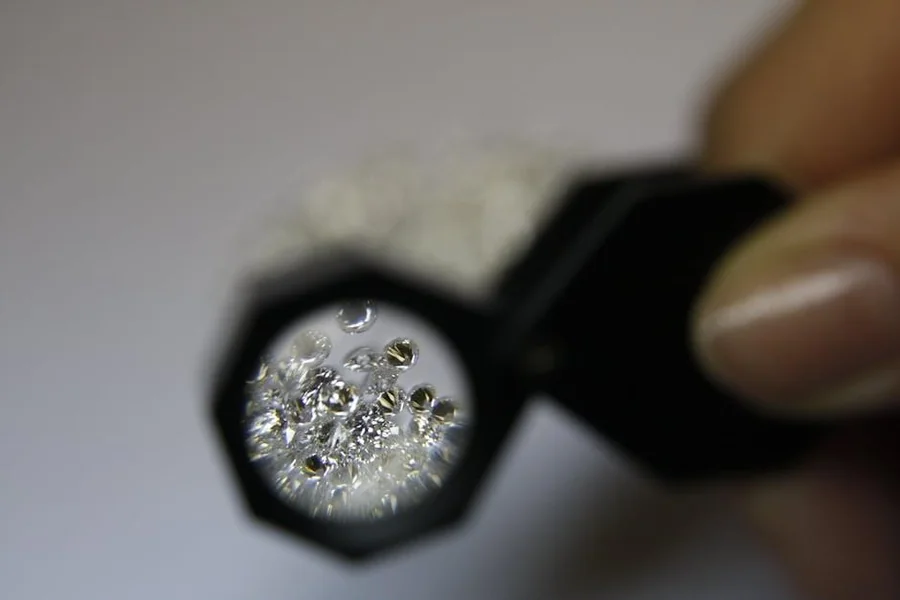
These methods produce diamonds that are virtually indistinguishable from natural diamonds when observed without specialist equipment. They consist of crystalline carbon structures, showcasing the same glittering brilliance and durability.
Economic and Ethical Considerations
While the allure of natural diamonds has long been associated with luxury and exclusivity, the introduction of lab-grown diamonds marks a shift towards more ethical and economically viable alternatives. Natural diamond mining often involves significant environmental degradation and controversial labour practices. Lab-grown diamonds, on the other hand, require fewer natural resources and offer a transparent supply chain.
From an economic perspective, lab-grown diamonds are generally more affordable. The reduced price point does not reflect a compromise in quality; rather, it is the result of shorter production times and the elimination of complex mining logistics. These significant factors reduce costs, which are then passed on to consumers.
The Impact on the Traditional Diamond Industry
The rise of lab-grown diamonds has undoubtedly posed challenges to the traditional diamond industry. The historical marketing of diamonds has relied heavily on the perception of rarity and the emotional value attributed to natural stones. As lab-grown diamonds gain acceptance, market dynamics are shifting.
The jewellery industry is witnessing a transformation as consumers become more environmentally conscious and cost-sensitive. Despite some resistance from established diamond producers, the merits of lab-grown diamonds, such as ethical sourcing and environmental sustainability, are leading to increased consumer interest.
Quality and Certification
One might question the quality of lab-grown diamonds compared to natural ones. However, modern gemological laboratories, such as the Gemological Institute of America (GIA) and the International Gemological Institute (IGI), offer grading and certification services for lab-grown diamonds. These organisations use similar grading systems to evaluate the “4 Cs”: carat, colour, clarity, and cut.
Lab-grown diamonds can achieve the same level of quality as the highest-graded natural diamonds. Furthermore, the controlled environment in which they are produced allows for precision in achieving desired qualities. This makes it possible to create diamonds that meet specific demands, opening new frontiers in custom jewellery design.
Consumer Perception and Market Trends
Consumer perception of lab-grown diamonds is evolving, with increasing numbers valuing sustainability and affordability over traditional rarity narratives. Millennials and Gen Z, in particular, are driving this change, prioritising ethical considerations and price efficiency.
Furthermore, the technological advancements in the creation of lab-grown diamonds are generating curiosity and admiration. As society continues to embrace technological innovations, the stigma around manufactured diamonds diminishes. Market reports demonstrate a steady growth in demand for lab-grown diamonds, signalling a resilient trend likely to endure.

Technological Advancements
The production of lab-grown diamonds exemplifies notable technological advancements in materials science. Continuous research and development have improved the quality and efficiency of production processes. Innovations such as the development of more sophisticated growth chambers and refined carbon atom deposition techniques are continuously enhancing both the quality and size of lab-grown diamonds.
Given the rapid pace of technological progress, the potential for future enhancements in the quality and affordability of lab-grown diamonds is considerable. These advancements could further enhance their appeal in sectors beyond jewellery, such as in industrial applications where diamonds are valued for their hardness and thermal conductivity.
Lab-Grown Diamonds in Jewellery Design
The flexibility and affordability of lab-grown diamonds have opened new avenues for creativity and innovation in jewellery design. Jewellers are now able to offer custom designs that were previously cost-prohibitive. This has resulted in a growing diversity of unique and personalised jewellery options, enhancing consumer choice and satisfaction.
Jewellery designers can experiment with larger stones or unusual settings without the concerns of exorbitant cost or limited natural supply. This creative freedom catalyses a broader spectrum of offerings in the jewellery market, catering to diverse aesthetic preferences and individual styles.
Future Prospects
The future of lab-grown diamonds looks promising as technological capabilities and sustainability concerns continue to shape consumer preferences. The industry is expected to witness further integration of lab-grown diamonds not only in jewellery but also in other fields requiring high-durability materials. As the appeal broadens, traditional players in the diamond market will need to adapt to maintain relevance.
In summary, the advent of lab-grown diamonds is redefining the landscape of the diamond industry. Their scientific creation, along with ethical and economic viability, presents compelling alternatives to naturally mined diamonds.