Understanding Modern Kitchen Hobs: A Comprehensive Guide
In the modern kitchen, the hob stands as a central fixture, pivotal to culinary excellence and everyday convenience. Embedded into countertops, hobs evolve alongside technological advancements, mirroring societal changes in cooking habits and preferences. As homes become increasingly tech-savvy, understanding the diverse options available in hobs is crucial for anyone looking to refurbish or enhance their kitchen space.
Types of Hobs: A Closer Look
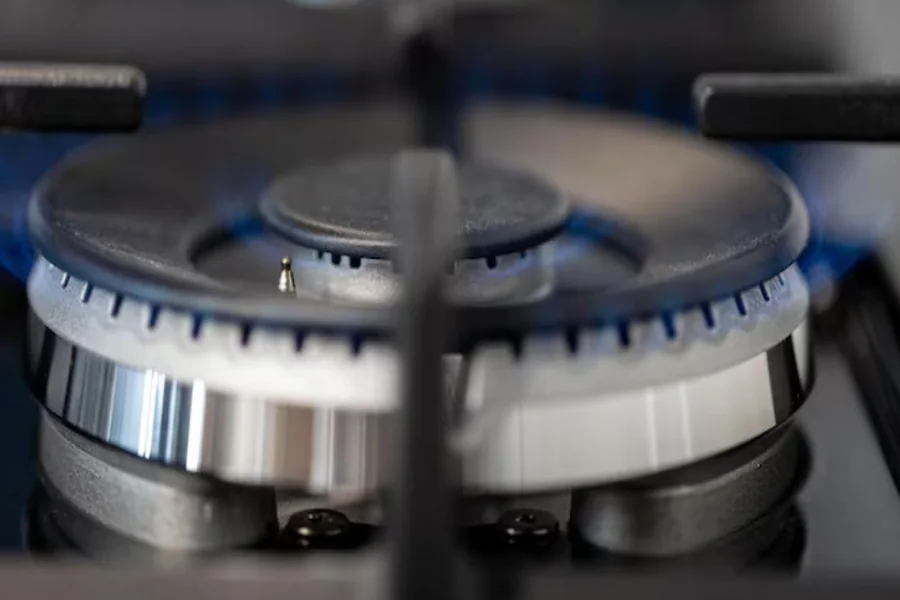
The selection of hobs is as varied as the culinary needs they serve. Traditionally, gas hobs have been revered for their precision and instant heat regulation, offering a traditional flame that many chefs cherish for its responsiveness. On the other hand, electric hobs have made significant strides over the decades, providing even and consistent heat across various types of cookware.
Ceramic hobs represent another leap forward, featuring sleek designs with easy-to-clean surfaces. These hobs use electric heating elements under a smooth ceramic glass surface, making them both functional and aesthetically pleasing. Meanwhile, induction hobs offer cutting-edge technology by using electromagnetic fields to heat only the cookware, ensuring maximum energy efficiency and safety. As choices broaden, understanding these distinctions is key to finding the perfect match for one’s kitchen needs.
The Science Behind Induction Hobs
Induction technology is often seen as a futuristic cooking method. Unlike traditional gas and electric cooking, induction hobs heat the cookware directly through magnetic induction. This process not only makes cooking more energy-efficient but also significantly reduces the risk of burns since the hob surface remains relatively cool to the touch. For those new to this technology, investing in induction-friendly cookware is essential, as it requires magnetic properties to function effectively.
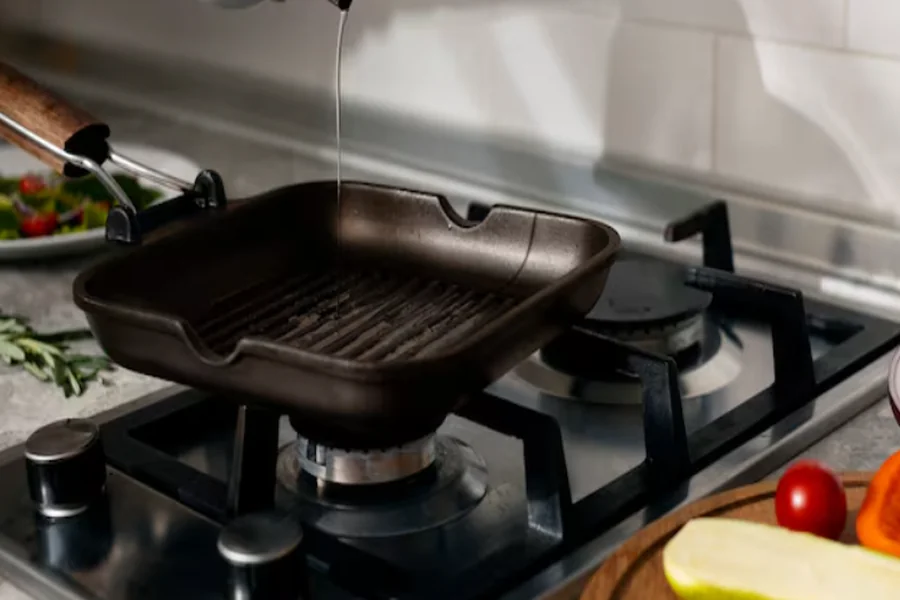
Moreover, induction hobs offer features such as precise temperature control and quick heat adjustments, which cater particularly well to a more scientific approach to cooking. This makes them an ideal choice for those who favour precise culinary techniques and energy efficiency.
Aesthetic and Functional Integration in Modern Kitchens
In contemporary kitchen design, the hob transcends its utilitarian roots to become a cornerstone of interior design. With kitchen spaces evolving into multi-functional areas, the aesthetic integration of hobs presents both challenges and opportunities for those keen on maintaining a cohesive look. Manufacturers now offer a plethora of designs and finishes, from minimalist and invisible installations to bold stainless steel or glass designs that make a statement.
The integration of hobs into islands and open-plan designs has also become increasingly popular, providing cooks with the added benefit of engaging with guests while preparing meals. This shift not only reflects a lifestyle change towards more sociable cooking but also highlights the importance of selecting a hob that aligns with both functional and aesthetic considerations.
The Environmental and Economic Aspects of Hob Choices
The environmental impact of our choices has never been more critical, and selecting the right hob can contribute significantly to one’s eco-footprint. Induction hobs lead the way in energy efficiency, directly transferring energy to the cookware and saving up to 70% of energy compared to conventional gas hobs. This not only reduces utility bills but also lessens environmental impact, making it a practical choice for eco-conscious consumers.
Gas hobs, while traditionally popular, have faced scrutiny due to their energy inefficiency and potential environmental drawbacks related to fossil fuel consumption. With the growing emphasis on sustainability, more consumers are prompted to evaluate these factors critically. Meanwhile, electric and ceramic hobs offer a middle ground, balancing economic concerns with energy performance that varies based on the specific model and usage patterns.
Safety Considerations in Hob Selection
Safety remains paramount in kitchen design, especially in homes with young children or elderly occupants. Induction hobs excel in this regard, with their cool-touch surfaces and features such as automatic shut-off, which prevent accidents before they happen. Additionally, without an open flame, the risk of gas leaks or fire hazards is significantly reduced.
Gas hobs, despite their popularity, require careful handling and regular maintenance to ensure safety. Proper ventilation is vital to prevent gas build-up, and users must be vigilant about switching off the gas when not in use. Electric and ceramic hobs, while typically safer than gas alternatives, still necessitate caution, particularly with the risk of burns from hot surfaces.
Future Trends in Hob Technology
Looking forward, technological advancements promise to revolutionise how hobs function and integrate into smart home ecosystems. Smart hobs with Wi-Fi connectivity are increasing in popularity, allowing users to control cooking temperatures remotely, access recipe databases, and integrate seamlessly with other smart kitchen devices. These innovations not only add a layer of convenience but also enhance precision cooking and energy management.
Additionally, advancements in materials science are anticipated to improve hob surfaces, making them even more durable and energy-efficient. For instance, experimental models involve self-healing materials that can repair minor surface scratches and advanced sensors that can automatically adjust cooking settings based on the type of food being prepared.
Conclusion
In the dynamic realm of kitchen appliances, hobs hold a unique and integral position. Their evolution from simple devices to sophisticated technology reflects a broader trend towards more efficient, safe, and aesthetically pleasing kitchen environments. Understanding the various types of hobs, their benefits, and potential drawbacks empowers consumers to make informed decisions that align with their lifestyle and environmental consciousness. As technology continues to advance, the role of hobs seems poised for further innovation, mirroring the ever-evolving relationship between culinary practice and technological progress.