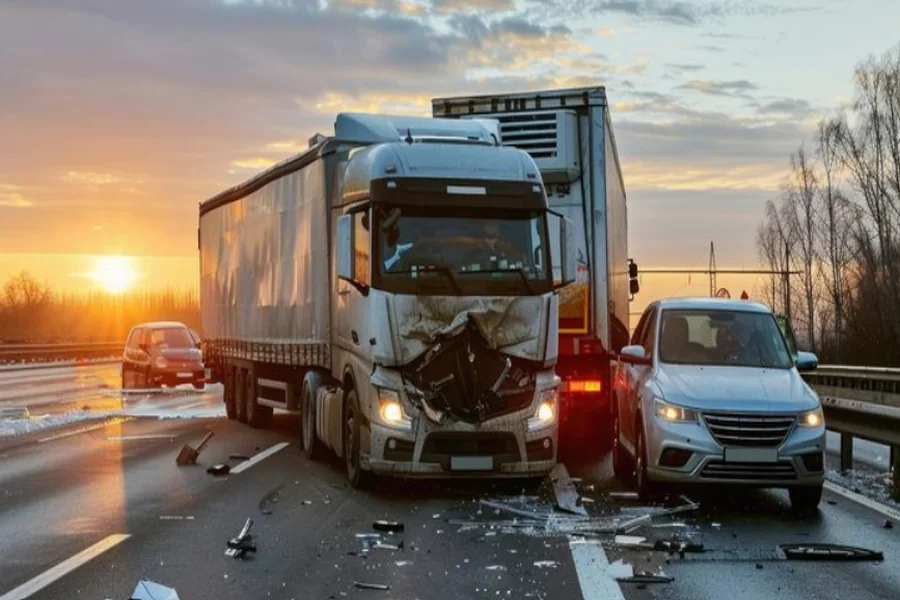
Why Truck Accident Cases Are Different From Regular Car Accident Claims
When a tractor-trailer slams into a passenger car, the aftermath rarely feels like a “normal” crash. And honestly, it usually isn’t. The injuries can be worse, the bills can climb faster, and insurance companies may start calling before you have even had time to catch your breath. In 2023, large trucks accounted for 9% of all vehicles involved in fatal traffic crashes. If you were hurt in Philadelphia, understanding why these claims are different can help you protect evidence, make better decisions, and pursue compensation for medical care, lost income, and long-term recovery.
Unique Challenges in Truck Accident Cases Compared to Car Accident Claims
Truck accident claims often carry heavier consequences than ordinary car accident cases. The injuries are frequently more serious. The damages are usually larger. And the legal issues? They can get complicated quickly.
Philadelphia adds its own challenges, too. Trucks move through I-76, I-95, Roosevelt Boulevard, and crowded Center City delivery routes every day. They share space with commuters, cyclists, buses, pedestrians, and rideshare drivers. That is a lot happening in tight quarters.
When a crash happens here, fast local help matters. Working with a truck accident lawyer philadelphia can help injured victims respond before trucking companies or insurers shape the narrative.
Why the Crash Itself Is Different
The phrase truck accident vs car accident may sound straightforward, but the real difference comes down to size, weight, and force. A loaded commercial truck can cause life-changing harm, even at speeds that might seem moderate.
These truck accident cases may involve spinal injuries, traumatic brain injuries, burns, amputations, or wrongful death. That means the claim cannot focus only on today’s hospital bill. It also has to consider future surgeries, therapy, lost earning ability, and the care someone may need years from now.
More Rules, More Pressure
Commercial truck drivers and trucking companies must follow federal and state safety rules. Regular drivers, by comparison, usually deal with traffic laws, fault, and personal auto insurance.
Because trucking is a business, not just a person driving from point A to point B, responsibility can reach beyond the driver. The company, maintenance provider, cargo loader, or another business may have played a role. That is where truck claims begin to look very different from standard car accident claims.
Multiple Parties and Evidence Make Liability Harder
Once you move beyond the crash scene, a truck case can expand fast. A trucking company, freight broker, repair shop, loading crew, or parts manufacturer may all become part of the investigation.
Liability Can Spread Beyond the Driver
A truck driver may have been speeding, fatigued, distracted, or poorly trained. But the company may also share blame if it hired carelessly, skipped supervision, pushed unsafe schedules, or ignored maintenance problems.
In many truck accident claims, lawyers look closely at whether a company pressured a driver to meet unrealistic delivery deadlines. That matters because “vicarious liability” can change the entire direction of a case.
Specialized Evidence Must Be Saved Fast
With so many possible responsible parties, proving what happened takes more than a few photos and a police report. Truck accident lawsuits often depend on records that most car accident cases never involve.
A truck may contain black box data, driver logs, GPS records, inspection reports, dashcam footage, dispatch messages, and electronic logging device records. Over 90% of new vehicles in the United States now collect and transmit telematics data.
That information can disappear if no one acts quickly. A preservation letter may be needed right away to prevent key records from being deleted, overwritten, or “lost.” Once you see how much evidence is involved, it becomes clear why truck accident claims do not follow the same playbook as ordinary crashes.
Key Differences in Accident Claims: Truck Accidents vs Car Accidents
Now let’s compare the legal and practical differences that can affect the value and strategy of a case. The biggest shift is simple: a truck accident case often becomes a business investigation, not just a disagreement between two drivers.
A Quick Comparison
| Issue | Regular Car Accident Claim | Truck Accident Claim |
| Main defendant | Usually another driver | Driver, carrier, broker, repair vendor, or loader |
| Evidence | Photos, police report, medical records | Logs, black box data, GPS, maintenance files, dispatch records |
| Insurance | Personal auto policy | Commercial policies with layered coverage |
| Injuries | Often moderate, sometimes severe | Often severe or catastrophic |
| Legal strategy | Fault and damages | Fault, safety rules, company practices, and records |
Regulations Change the Case
Federal Motor Carrier Safety Administration rules cover driving hours, rest periods, truck weight, inspections, maintenance, and drug or alcohol testing. If a trucking company ignored those rules, that violation may support a negligence claim.
Recent safety trends have also increased the use of cameras, driver monitoring systems, and electronic records. These tools can help injured people, but only if the information is requested before it disappears.
Strategy Moves Faster
The differences in accident claims often show up almost immediately. Trucking insurers may send investigators to the scene within hours. If victims wait too long, they can fall behind before the claim truly begins.
A lawyer may need to inspect the truck, request records, identify every available insurance policy, and speak with witnesses early. Because truck accidents often cause catastrophic injuries, the case is not just about repairing a vehicle. It is about rebuilding a life.
Types of Damages and Compensation in Truck Accident Lawsuits
Truck accident lawsuits often involve larger payouts because the injuries are serious and several parties may share responsibility. The compensation at stake usually reflects both the human cost and the long-term financial burden.
Economic and Personal Losses
A truck accident lawsuit may seek compensation for hospital treatment, surgery, rehabilitation, medication, lost wages, reduced earning ability, and future medical care. In severe cases, home modifications or long-term nursing care may also be included.
Non-economic damages cover pain, emotional distress, loss of independence, and the way injuries affect everyday life. These losses can be difficult to measure, but anyone who has lived through a serious injury knows they are very real.
Punitive Damages and Serious Misconduct
If a company knowingly allowed unsafe trucks on the road, falsified logs, or ignored repeated safety warnings, punitive damages may be considered. They are not available in every case. Still, they can become important when the conduct was especially reckless.
Even when damages are substantial, the final recovery may depend on how fault is assigned and what insurance coverage applies. That is why negligence arguments, comparative fault, and policy limits matter so much in Philadelphia truck accident cases.
Fault, Deadlines, and Immediate Steps After a Philadelphia Truck Crash
Knowing what your case may be worth is important. But protecting that value starts right after the crash. A few practical steps can make a major difference later.
Comparative Fault Can Reduce Recovery
Pennsylvania follows comparative negligence rules. If an injured person is found partly at fault, their compensation may be reduced. If their share of fault is too high, recovery may be blocked.
This is why insurers sometimes try to blame victims for speeding, braking late, changing lanes, or being distracted. In truck accident cases, strong evidence can push back against those arguments.
What to Do Right Away
Call the police. Get medical care. Take photos if you can do so safely. Collect witness names and contact information. Try not to argue with the truck driver or guess about fault at the scene.
You should also save medical records, repair estimates, missed-work notes, and letters from insurers. Quick action helps. Small mistakes, like giving too much information to an insurance adjuster or waiting to document injuries, can make a strong case harder to prove.
Common Mistakes and the Role of a Truck Accident Lawyer
After a serious truck crash, doing the right thing matters. So does having someone who can enforce those rights against trucking companies and commercial insurers.
Mistakes Victims Often Make
Some victims give recorded statements before they understand how badly they are hurt. Others accept quick settlement offers because bills are piling up. That is completely understandable. It is also risky.
A fast settlement may waive future claims, even if symptoms worsen later. In truck accident claims, waiting too long can also allow important records to disappear.
How Legal Teams Build Stronger Cases
A truck accident lawyer may send preservation letters, hire crash reconstruction experts, inspect the truck, review driver qualification files, and compare company records against federal safety rules. That is a very different process from a routine fender-bender claim.
Specialized legal teams do more than file paperwork. They build evidence-driven cases designed to pursue maximum compensation. Philadelphia-area outcomes often show the value of fast investigation, strong medical documentation, and trial-ready preparation.
Results, Prevention, and Safer Roads
Many truck crash cases point back to the same root problems: fatigue, poor maintenance, rushed delivery schedules, and safety shortcuts. Those issues are preventable, which makes the harm even more frustrating.
Lessons From Strong Case Outcomes
Publicly reported results vary, and every case depends on its own facts. Still, large settlements often share common themes: clear proof of safety violations, early evidence preservation, credible medical records, and lawyers prepared to go to trial.
Victims considering legal action should also read related resources, including “Timeline of a Truck Accident Lawsuit in Philadelphia,” “How to File a Claim After a Serious Car or Truck Accident in PA,” and a legal team consultation page.
Prevention Still Matters
Fleets can reduce risk through fatigue monitoring, stronger maintenance checks, AI dashcams, and regular driver safety training. Philadelphia drivers can also help by giving trucks room, staying out of blind spots, and avoiding tight cuts in front of a rig.
Final Thoughts on Truck Accident Claims in Philadelphia
Truck crashes are not just larger versions of car wrecks. They involve more evidence, more possible defendants, commercial insurance, federal safety rules, and long-term costs that can change a family’s future.
If you are hurt in Philadelphia, act quickly. Protect the black box data, witness details, medical proof, and records that may support your claim. Before having deep conversations with insurers, speak with a qualified lawyer. The sooner the right questions are asked, the harder it becomes for critical proof to slip away.
Common Questions About Philadelphia Truck Accident Claims
Here are straightforward answers to common questions people ask after a Philadelphia truck accident. These are general answers, so advice based on your specific facts is still important.
What not to tell your insurance company?
Do not admit fault, guess about your injuries, or say you are “fine” before seeing a doctor. Avoid recorded statements until you understand your rights. Stick to basic facts, then speak with a lawyer before having detailed insurance conversations.
What is the most common type of truck accident?
Rear-end and sideswipe crashes are common, especially in heavy traffic or during lane changes. Jackknife and underride crashes can be especially dangerous. The cause usually depends on speed, load weight, road conditions, and driver behavior.
How long do I have to file a truck accident claim in Philadelphia?
In most Pennsylvania injury cases, the filing deadline is two years from the crash date. Some exceptions may apply, especially when government vehicles or minors are involved. Do not wait, because evidence can disappear much sooner.