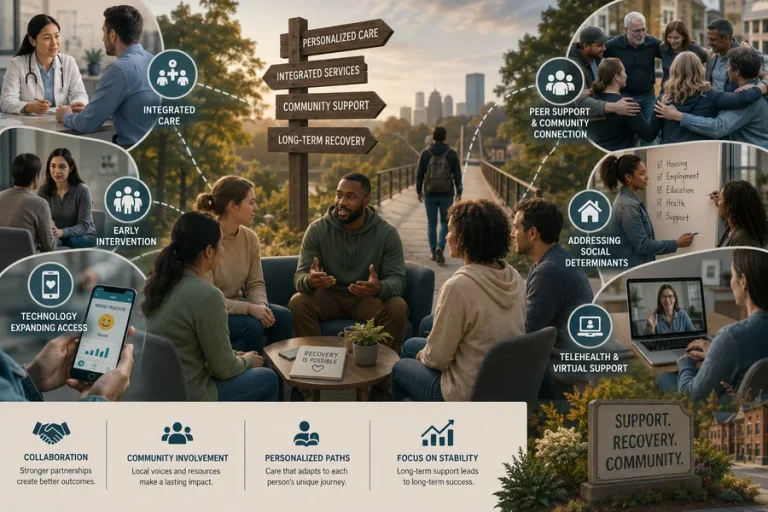
Shifting Approaches in Behavioral Health Services and What They Mean for Local Recovery Support Systems
Behavioral health care has been undergoing steady, and sometimes quiet, transformation over the past decade. What was once a system largely centered on crisis response and short-term stabilization is gradually evolving into something broader, more connected, and more attuned to the long-term realities of recovery. These changes are not just structural—they are reshaping how communities understand support, healing, and what it means to recover in a sustainable way.
At the center of this shift is a growing recognition that mental health and substance use challenges rarely exist in isolation. They are often intertwined with housing instability, trauma history, employment barriers, and social isolation. As a result, modern behavioral health services are increasingly designed to address the whole person rather than a single diagnosis เริมที่ปาก.
This evolution has important implications for local recovery support systems, especially in regions working to expand access and improve outcomes, including areas where conversations around Drug Treatment in MA have become more focused on continuity of care rather than short-term intervention alone.
From Reactive Care to Proactive Support
Traditionally, behavioral health systems were built around urgency. A person in crisis would seek help, receive stabilization, and then often transition out of care with limited follow-up. While this model addressed immediate needs, it frequently left gaps that made sustained recovery difficult.
The emerging approach is more proactive. Instead of waiting for crisis points, systems are beginning to emphasize early engagement, ongoing monitoring, and layered support. This includes:
- Routine mental health screenings in primary care settings
- Early intervention programs for substance use concerns
- Community-based outreach efforts
- Continuous check-ins rather than episodic treatment episodes
This proactive shift helps identify risks earlier and reduces the likelihood of repeated crises, which is especially important in communities dealing with rising behavioral health demands.
Integrated Care: Breaking Down Long-Standing Silos
One of the most significant developments in behavioral health is the movement toward integrated care. In the past, mental health services, substance use treatment, and general medical care often operated separately, sometimes even within disconnected systems.
Now, there is a stronger push to bring these services together under a coordinated framework. The goal is not just convenience—it is clinical alignment. When providers can communicate and collaborate, individuals receive more consistent and comprehensive support.
For example, someone dealing with anxiety and substance use may benefit from coordinated care plans that address both conditions simultaneously, rather than treating them in isolation. This reduces conflicting treatment approaches and improves overall outcomes.
Integrated care also improves trust and engagement. When individuals do not have to navigate multiple fragmented systems, they are more likely to remain connected to care over time.
The Expanding Role of Community-Based Recovery Supports
Another major shift is the growing importance of community-based recovery systems. While clinical treatment remains essential, long-term recovery is increasingly understood as something that extends beyond formal care settings.
Community supports now play a critical role in maintaining stability. These may include:
- Peer recovery networks
- Local support groups
- Recovery coaching and mentoring
- Faith-based or culturally rooted support systems
- Employment and vocational assistance programs
These resources help bridge the gap between clinical treatment and everyday life. They provide structure, encouragement, and accountability in ways that formal systems alone often cannot sustain.
In many regions, especially where conversations about Drug Treatment in MA highlight ongoing recovery needs, these community-level supports are becoming just as important as clinical interventions.
A Shift Toward Personalized Recovery Pathways
No two recovery journeys look the same. This understanding is reshaping how services are designed and delivered. Instead of rigid treatment pathways, there is growing emphasis on individualized care planning.
Personalized recovery approaches take into account:
- Personal history and trauma background
- Co-occurring mental health conditions
- Social and family environment
- Cultural identity and preferences
- Readiness for change
This flexibility allows care to adapt to the person rather than forcing the person to adapt to the system. It also acknowledges that recovery is not linear. Progress may include setbacks, adjustments, and changes in direction.
As systems become more personalized, engagement tends to improve. People are more likely to stay involved when they feel understood rather than processed through a standardized model.
The Role of Technology in Expanding Access
Technology has also become a meaningful part of behavioral health evolution. Digital tools are not replacing human connection, but they are expanding access and support options.
Some of the most notable developments include:
- Telehealth counseling and psychiatric services
- Mobile apps for mood tracking and recovery monitoring
- Virtual peer support groups
- Digital crisis resources and chat-based support
- Remote case management tools
These tools are particularly valuable in areas where transportation, stigma, or provider shortages may limit access to in-person care. They also provide more flexibility, allowing individuals to engage with support in ways that fit their daily lives.
However, technology also raises important considerations around privacy, digital equity, and ensuring that virtual care complements rather than replaces meaningful human interaction.
Addressing Social Determinants of Recovery
One of the most important realizations in modern behavioral health is that recovery is deeply influenced by social conditions. Factors such as housing stability, employment, education, and community connection can significantly impact long-term outcomes.
As a result, behavioral health systems are increasingly integrating social support services into care planning. This includes partnerships or coordination with:
- Housing assistance programs
- Job training and employment services
- Educational support initiatives
- Food security programs
- Legal aid and advocacy services
This broader approach recognizes that clinical care alone is not enough if basic needs remain unmet. Stability in daily life is often the foundation upon which recovery is built.
What This Means for Local Recovery Support Systems
At the local level, these shifting approaches are reshaping expectations and responsibilities. Recovery support systems are no longer seen as isolated programs but as interconnected networks that must work together.
Some of the key implications include:
1. Greater Need for Collaboration
Organizations must coordinate more closely, sharing information and aligning care strategies to avoid fragmentation.
2. Increased Demand for Workforce Adaptation
Professionals in behavioral health are expected to have broader skill sets, including cultural competency, trauma-informed care, and familiarity with integrated models.
3. Expanded Community Involvement
Local communities are becoming active participants in recovery support, not just recipients of services.
4. Focus on Long-Term Outcomes
Success is increasingly measured by sustained stability, not just short-term symptom reduction.
Challenges That Still Remain
Despite progress, the transformation of behavioral health services is not without challenges. Many systems still face:
- Workforce shortages
- Funding limitations
- Uneven access across regions
- Stigma surrounding mental health and substance use
- Gaps in rural or underserved communities
These challenges highlight the importance of continued investment and innovation. A shifting system requires time, coordination, and consistent evaluation to ensure it meets real-world needs.
Looking Ahead
The future of behavioral health services is moving toward greater integration, accessibility, and personalization. While the system is still evolving, the direction is clear: care is becoming more connected to everyday life and more responsive to individual experiences.
For communities navigating these changes, especially in discussions surrounding Drug Treatment in MA, the emphasis is no longer just on treatment entry but on what happens after—how support systems help people rebuild, reconnect, and maintain long-term stability.
Ultimately, the shift is not just about changing services. It is about changing expectations—toward a model of care that sees recovery as a continuous, supported process rather than a single event.