The Changing Meaning of Value in a Cashless Economy
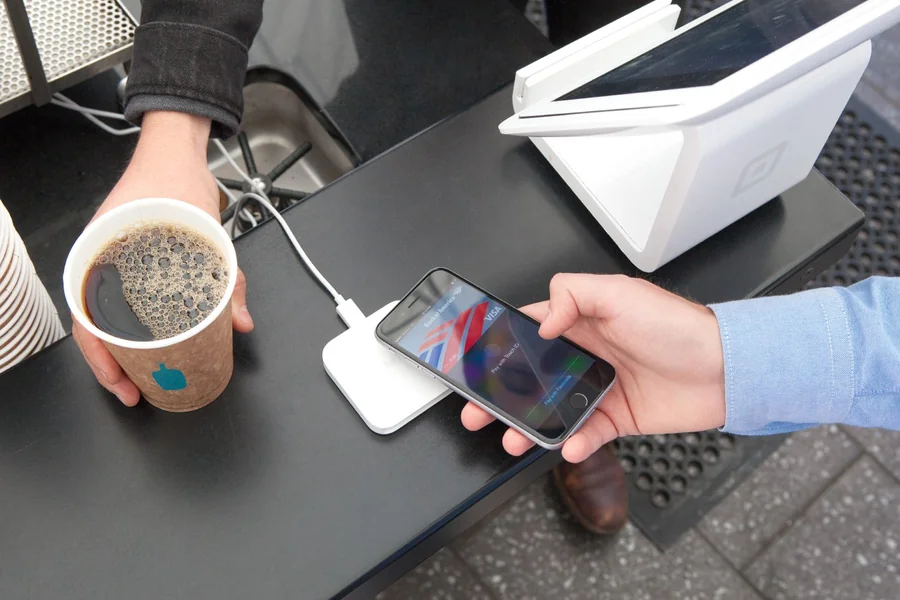
Once, money was tangible. You could count your change, fold it up, give it to somebody, and the money was gone! Many purchases these days are made by tapping, swiping, or verifying with biometric data. The exchange might be complete before the brain knows that anything has been lost.
This transition is more of a technological transformation. It affects individuals’ values, costs, and financial decision-making. As society grows cashless, money becomes more abstract and is passed back and forth as a number from one digital wallet to another.
From Physical Money to Digital Numbers – History of the currency.
The Built-In Pause of Cash
The psychological pause is built-in when dealing in cash. This is a real exchange when someone gives a $50 bill for a purchase. A fleeting — albeit significant — break in some form of physical possession.
How Digital Payments Remove Friction
There’s no more of that friction in the case of digital payments. The intention to act can become action in seconds with a saved card, mobile wallet, or one-click checkout. This helps, but it also affects mental accounting.
The difference matters because people don’t spend money on a strictly mathematical basis. The visibility and immediacy of the transaction play a part in pricing perception. With payment so much more elusive, the object’s relation to cost can grow even more tenuous.
It’s kind of like eating chips out of the plastic bag, except that it’s financial.
The neuroscience behind easy money.
Neuroscience adds to the psychology, and it gets particularly interesting.
The Same Psychology Appears Across Digital Environments
These behaviors show up in many areas beyond online shopping. Modern platforms increasingly merge personalized interfaces, real-time feedback, and hassle-free payments.
A local digital service like Ivi Bet Hungary can be explored within the context of the general direction of “interfaces in which information, interaction, and financial actions take place in the same digital space”. So the essential behavioral concept isn’t ‘brand ‘; it’s whether it’s easy for users to get from the information to the decision.
Fewer Steps Between Attention and Action
Many other applications can run on similar principles, such as entertainment apps, financial platforms, e-commerce platforms, and social platforms. It is easier to engage digitally if there’s less to get through between attention and action.
Real-Time Numbers Can Alter Feelings of Value.
The impact is amplified when information updates frequently.
Dopamine and the Anticipation Loop
The brain systems associated with reward can switch on when you anticipate a desired product. Dopamine plays a key role in this process, especially in motivation, learning, and expectation. It’s not just a “pleasure chemical” as some common descriptions may imply.
The anticipation-reward cycle can be reinforced through digital environments, since they offer instant reinforcement. A notification appears, an offer changes, a purchase confirmation arrives, and the next piece of content is ready. These same signals can help create a ‘dopamine loop’ between anticipation and response.
Cognitive Load and Decision Fatigue
There’s the problem of cognitive load as well. Dozens of small financial choices happen every day. This includes subscriptions, Meals on Wheels, online shopping, entertainment, and in-app purchases, and decision fatigue applies.
It’s particularly tempting to reduce friction when the brain is tired. Unfortunately, not everything easy is valuable, and vice versa.
What Happens in the Brain When Paying Feels Easy?
Cashless spending also detaches the monetary value from physical things.
Subscriptions and Background Payments
Consider a subscription. An individual can allow recurring monthly access instead of paying for each movie, song, or software feature used. The service is never out of your way, and the financial event is more of a background event.
Credits, Points and Bundles
Credits, points, tokens, bundles, or virtual balances can add an extra dimension via digital platforms. This doesn’t necessarily mean these systems are bad; it just means there is monetary distance. Users use an intermediate unit instead of the original currency.
This can bring in a sense of ‘old habits’ that can cause cognitive biases. Even though the price of the whole bundle might be higher than the total price of the separate items, a bundle can look more appealing. If the price is discounted, it becomes a powerful reference point, as the lower price feels like a win rather than a loss.
The brain is very good at doing context evaluations – and it’s very good at being distracted by context.
Live Data and Constant Feedback
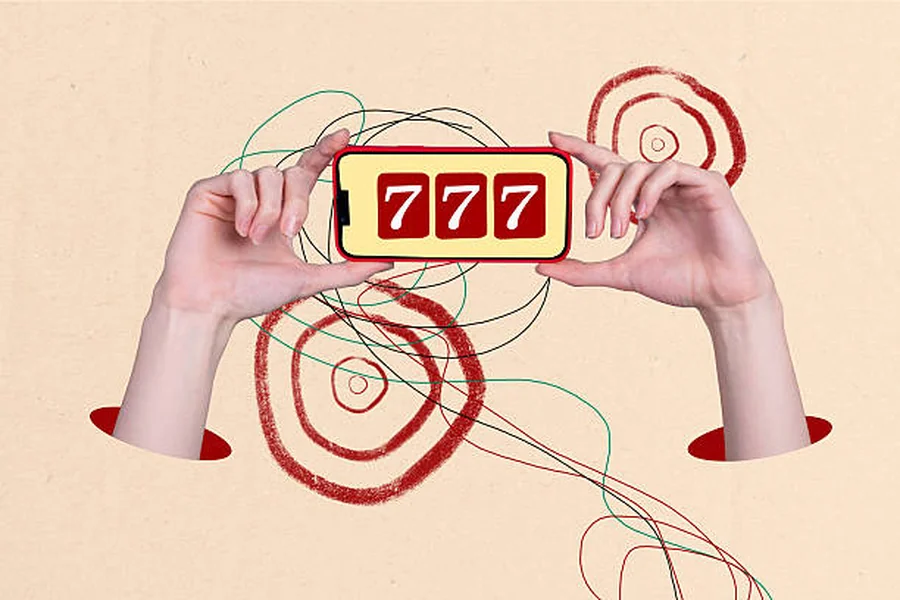
For instance, in live sports betting, users may face constantly changing statistics, prices, probabilities, and events. Behaviorally, real-time feedback is what matters. Numbers that change periodically naturally grab attention better than a static number.
This creates a setting based on different available rewards, uncertainty, and ongoing information processing. This works in several other realms, like stock-market dashboards, limited-time offers, delivery trackers, auctions, and social metrics.
A Different Value Question
The outcome is a variety of value relationships. Instead of asking only ‘How much does this cost?’, users may begin asking, ‘How much has this changed?’ ‘What might happen next?’ or…
Avoid using the pause button for convenience.
Cashless technology has revolutionized the way people pay, making transactions quicker, easier, and potentially safer. If you remove friction, you also remove some opportunities for reflection.
This makes conscious self-monitoring increasingly important. Confirmations, spending limits, spending summaries, and budget notifications can add a bit of the pause that cash gives you.
The deeper question is whether digital money is good or bad. It results from good interface design, immediate gratification, cognitive bias, and digital engagement working together to shape how people perceive value before purchase.