Blossoming Business: Navigating Singapore’s Thriving Floral Scene
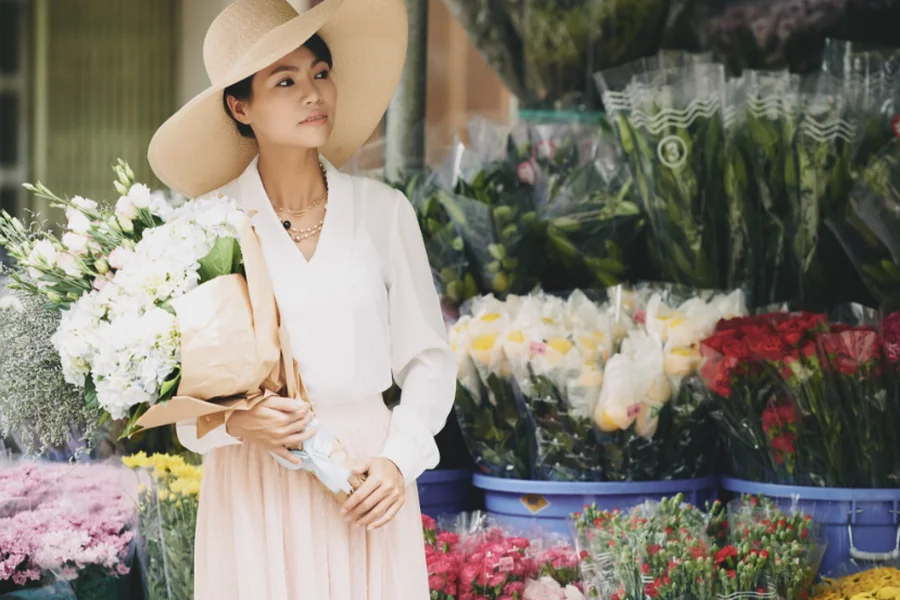
Singapore is widely recognised for its dynamic culture and forward-thinking innovation, and this spirit extends into its flourishing floral industry. Flowers play an important role in everyday life, from celebrations and ceremonies to personal gestures of appreciation and care. A flower shop in Singapore does far more than simply sell blooms; it creates meaningful experiences that reflect emotion, connection, and thoughtful expression. Each arrangement is carefully designed to suit the occasion, making floristry an essential part of social and cultural life.
The Diverse World of Floral Offerings
The floral industry offers a wide variety of products and services designed to suit different events, moods, and personal preferences. From romantic bouquets and wedding arrangements to elegant corporate displays, florists demonstrate creativity and attention to detail in every design. This variety ensures that customers can always find something appropriate, whether they are celebrating a joyful milestone or expressing sympathy and support.
Personalisation plays a major role in modern floristry. Many flower shops allow customers to customise arrangements by selecting specific flowers, colours, and styles. This helps create a more meaningful experience, as each bouquet becomes a reflection of personal sentiment. In a diverse society like Singapore, this flexibility is especially important, as floral preferences often draw inspiration from multiple cultural traditions and modern design trends.
Seasonal Blooms and Sustainable Practices
The availability of flowers is closely influenced by seasonal variations and global supply chains. In Singapore, florists benefit from strong import networks that allow access to a wide range of blooms throughout the year. This ensures that customers can enjoy fresh and varied floral arrangements regardless of the season.
At the same time, sustainability has become an increasingly important focus within the industry. Many florists are adopting environmentally friendly practices to reduce their ecological footprint. These efforts include sourcing flowers from responsible growers, minimising waste, and using biodegradable or recyclable packaging materials. Such practices reflect a growing awareness among consumers who value sustainability alongside beauty and quality.
This shift towards greener operations is helping reshape the floral industry into one that is more conscious, responsible, and aligned with modern environmental expectations.
Technological Integration and Online Innovations
Technology has significantly transformed the way floral businesses operate. Many flower shops now rely on online platforms to showcase their collections, manage orders, and reach a wider audience. This digital transition has made it easier for customers to browse arrangements, compare styles, and place orders conveniently from their homes.
Digital catalogues with high-quality images and detailed descriptions allow customers to make more informed choices. Some florists have even introduced advanced features such as virtual previews, enabling customers to visualise how arrangements might look in specific spaces before purchasing.
Online delivery services have also become a key part of the industry, offering fast and reliable options for gifting flowers across different parts of the city. This combination of convenience and accessibility has greatly improved customer experience and expanded market reach for florists.
The Cultural Significance of Flowers
Flowers hold deep cultural meaning in Singapore and are commonly used in various traditions, celebrations, and personal rituals. Different flowers carry different symbolic meanings, which influence how they are used in arrangements and events.
For example, orchids are often associated with elegance and sophistication, making them popular for formal occasions and gifts. Chrysanthemums are frequently linked with longevity and respect and are commonly used in ceremonies that honour important life events. These symbolic associations add depth and meaning to floral arrangements, transforming them from decorative items into powerful forms of communication.
Understanding cultural symbolism is an essential skill for florists. It allows them to design arrangements that are not only visually appealing but also emotionally and culturally appropriate for their clients.
The Future of Floristry in Singapore
The future of the floral industry in Singapore looks promising, driven by a combination of creativity, innovation, and changing consumer preferences. Florists are increasingly exploring new design concepts such as vertical gardens, indoor plant installations, and hybrid arrangements that blend natural and modern aesthetics. These innovations reflect a growing interest in bringing nature into urban spaces.
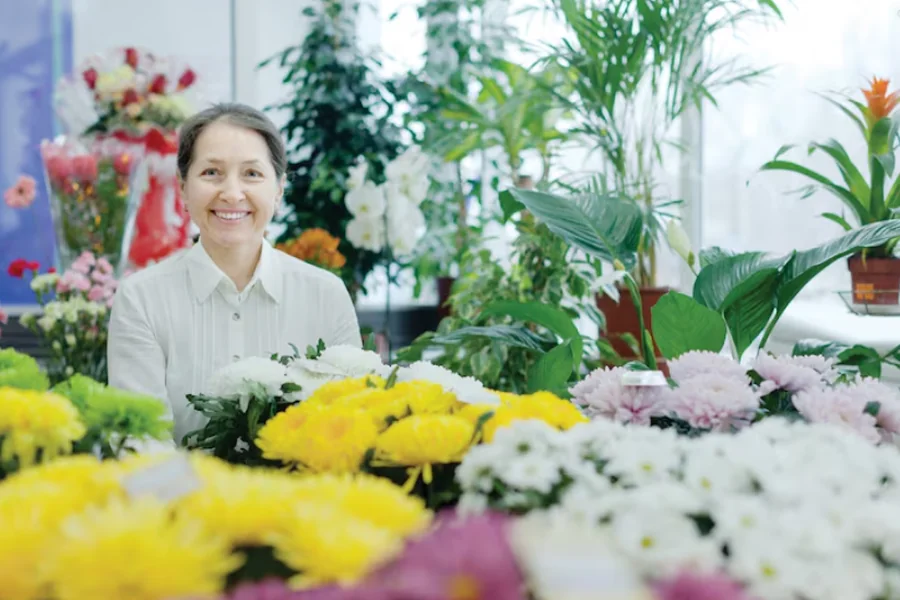
Collaborations between florists, artists, and designers are also becoming more common, leading to more experimental and artistic floral creations. These partnerships encourage fresh ideas and push the boundaries of traditional floristry, resulting in unique and visually striking designs.
As the industry continues to evolve, adaptability will remain essential. Florists who embrace innovation while maintaining quality and personalisation are well-positioned to succeed in an increasingly competitive market.
Conclusion
The floral industry reflects a unique blend of art, emotion, and commerce, where creativity meets meaningful expression. A flower shop in Singapore plays an important role in shaping experiences that celebrate life’s special moments and everyday gestures alike. Through personalised designs, sustainable practices, and technological innovation, florists continue to evolve and meet the changing needs of modern consumers.
With strong cultural significance and growing demand, floristry remains a vibrant and resilient industry. Its ability to adapt while preserving its emotional and artistic core ensures that it will continue to thrive as an essential part of Singapore’s social and creative landscape.