The Growing Need for Air Conditioning Solutions in Hot Climates
Rising Demand for Comfortable Indoor Environments
As global temperatures continue to rise, the demand for reliable cooling solutions has increased significantly. People are now more focused on creating comfortable indoor environments that support both living and working conditions. In warm and humid regions such as Singapore, the need for effective cooling systems is even more essential. For those planning to buy aircon in Singapore, selecting the right system is key to achieving optimal comfort and energy efficiency. Many residents looking to buy air conditioning in Singapore are motivated by the desire to maintain comfort throughout the year, especially in climates where heat and humidity remain consistently high.
Air conditioning has become a key part of modern living, ensuring that homes, offices, and public spaces remain comfortable regardless of outdoor weather conditions. This growing dependence reflects how essential cooling systems have become in maintaining daily comfort and productivity.
Why Air Conditioning Is Important for Health and Comfort
Air conditioning is no longer seen as a luxury but as a practical necessity in many households and workplaces. High temperatures can cause discomfort and may even lead to heat-related health issues, particularly for elderly individuals, young children, and those with underlying medical conditions. A stable indoor climate helps reduce these risks and provides a safer living environment.
Beyond temperature control, air conditioning also contributes to improved indoor air quality. Modern systems are designed to filter dust, allergens, and airborne pollutants, creating a cleaner and healthier atmosphere indoors. In humid climates, air conditioners also help regulate moisture levels, reducing the likelihood of mould growth and limiting the presence of dust mites. This makes indoor environments more hygienic and comfortable over time.
Choosing the Right Air Conditioning System
Selecting the most suitable air conditioning system depends on several important factors, including room size, energy efficiency, and budget. Different types of systems are available, each designed to meet specific needs and living arrangements.
Split-type air conditioners are commonly preferred due to their strong cooling performance and quiet operation. They are suitable for most residential and office environments where consistent cooling is required. On the other hand, window-type air conditioners are often chosen for smaller rooms or budget-friendly installations, offering a simpler and more compact solution.
Energy efficiency is another important consideration when choosing an air conditioner. Units with higher efficiency ratings consume less electricity, helping reduce monthly energy bills while also lowering environmental impact. This makes energy performance a key factor in long-term cost savings and sustainability.
Installation and Maintenance for Long-Term Efficiency
Proper installation plays a crucial role in ensuring that an air conditioning system functions effectively. Incorrect installation can lead to reduced performance, higher energy consumption, and frequent breakdowns. For this reason, professional installation is strongly recommended to ensure that the system operates at its best from the beginning.
Regular maintenance is equally important for maintaining efficiency and extending the lifespan of the unit. Routine tasks such as cleaning filters, checking refrigerant levels, and inspecting internal components help ensure smooth operation. Well-maintained systems not only perform better but also consume less energy over time.
Simple user practices also contribute to better efficiency. Setting a reasonable temperature, ensuring rooms are properly sealed, and using timers or energy-saving modes can significantly reduce electricity usage while maintaining comfort.
Technological Improvements in Modern Cooling Systems
Air conditioning technology has advanced significantly in recent years, resulting in more efficient and user-friendly systems. One of the most notable innovations is inverter technology, which allows the compressor to adjust its speed based on cooling demand. This results in more stable temperatures, quieter operation, and reduced energy consumption compared to traditional systems that frequently switch on and off.
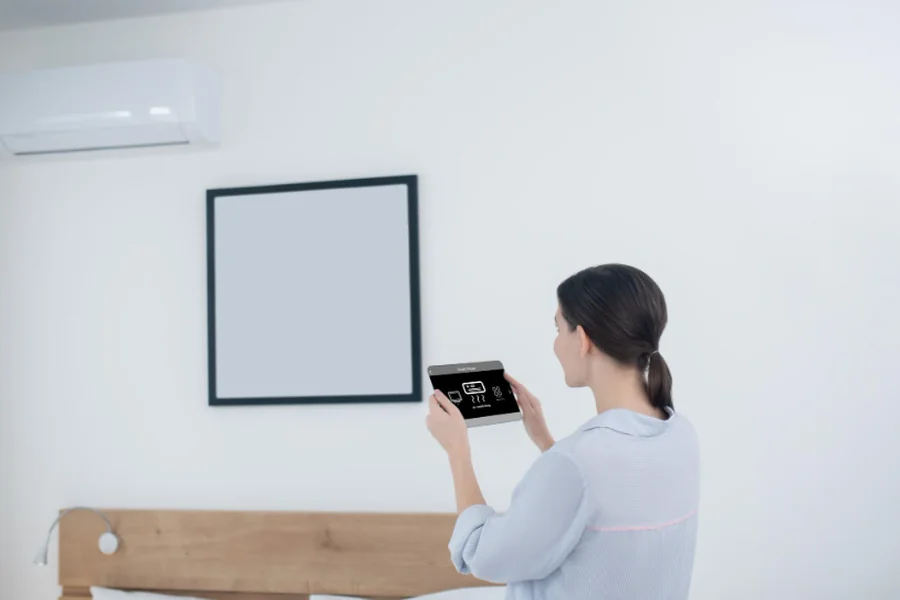
Smart air conditioning systems have also become increasingly popular. These units can be controlled remotely through mobile applications, allowing users to adjust settings even when they are not at home. This level of convenience helps improve energy management while ensuring that indoor spaces are comfortable upon arrival.
These technological developments have transformed air conditioning into a more intelligent and responsive system that adapts to user needs while reducing unnecessary energy use.
Environmental Concerns and Sustainable Cooling Solutions
As awareness of environmental issues grows, the impact of air conditioning systems on the environment has come under greater scrutiny. Many traditional systems use refrigerants that contribute to greenhouse gas emissions, making it important to choose models that use environmentally friendly alternatives.
Manufacturers are increasingly developing systems that use refrigerants with lower global warming potential. These innovations help reduce environmental impact while maintaining effective cooling performance.
Energy-efficient usage habits also play an important role in reducing environmental harm. Simple actions such as limiting unnecessary usage, blocking direct sunlight with curtains, and maintaining equipment regularly can significantly reduce energy consumption. These small adjustments collectively contribute to a more sustainable approach to cooling.
Regulations and Energy Efficiency Standards
Air conditioning systems are subject to various regulations designed to ensure safety, efficiency, and environmental responsibility. These standards guide manufacturers and consumers in selecting systems that meet approved performance levels.
Energy efficiency regulations help promote the use of systems that consume less electricity while still delivering effective cooling. At the same time, guidelines related to refrigerant usage ensure that environmentally harmful substances are gradually reduced or replaced with safer alternatives.
These regulations protect consumers from inefficient or substandard products while encouraging the development of more sustainable technologies in the cooling industry.
The Importance of Air Conditioning Across Different Sectors
Air conditioning is not limited to residential use; it plays a vital role in many other sectors as well. In commercial environments, maintaining a comfortable temperature helps improve employee productivity and creates a more pleasant workplace atmosphere. Comfortable working conditions often lead to better focus and overall job satisfaction.
In healthcare settings, air conditioning is essential for maintaining controlled environments. Proper temperature and humidity regulation are necessary for patient comfort and for supporting hygienic conditions in treatment areas.
Industrial sectors also rely heavily on air conditioning systems. Industries such as food processing, pharmaceuticals, and electronics manufacturing require precise climate control to ensure product quality and safety. Even minor fluctuations in temperature can affect production outcomes, making reliable cooling systems a critical part of operations.
Future Developments in Air Conditioning Technology
The future of air conditioning is expected to focus heavily on sustainability, intelligence, and energy efficiency. Artificial intelligence is beginning to play a role in system optimisation, allowing air conditioners to learn usage patterns and adjust performance automatically for maximum efficiency and comfort.
There is also growing interest in integrating renewable energy sources with cooling systems. Solar-powered air conditioners, for example, offer a promising solution for reducing reliance on traditional electricity sources while maintaining effective cooling performance.
As consumers become more environmentally conscious, demand for energy-efficient and eco-friendly air conditioning systems is expected to rise. This will continue to drive innovation within the industry, resulting in smarter and more sustainable cooling solutions.
Conclusion
Air conditioning has become an essential part of modern life, particularly in regions with hot and humid climates. Its importance extends beyond comfort, playing a vital role in health, productivity, and industrial efficiency. With continuous advancements in technology and growing attention to sustainability, air conditioning systems are becoming more efficient, intelligent, and environmentally responsible.