The Innovative Shift Towards WPC Decking
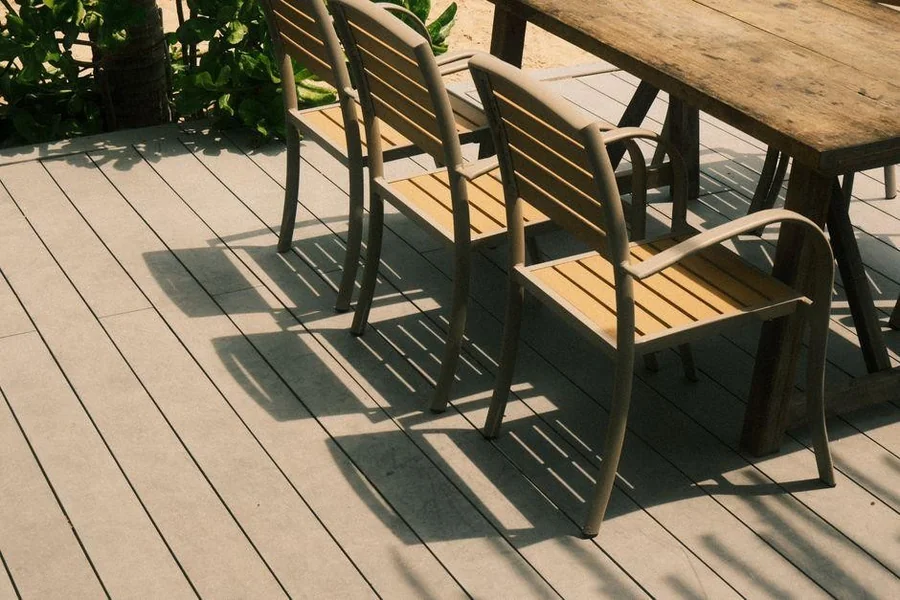
Composite decking, particularly Wood Plastic Composite (WPC) decking, is reshaping the landscape of outdoor spaces by offering a durable and environmentally friendly alternative to traditional wood decking. With its strategic blend of wood fibres and plastic, WPC decking stands out for its low maintenance requirements and resistance to weathering. A notable example of quality WPC decking can be found through companies like Tulou, which seamlessly integrates style and sustainability in their products.
The Composition and Benefits of WPC Decking
What Constitutes WPC Decking?
WPC decking combines wood and plastic, utilising recycled materials to create a sustainable solution. The wood component is usually derived from sawdust or wood fibre, while the plastic could be either virgin or recycled, such as polyethene, polypropylene, or polyvinyl chloride. This fusion allows WPC to exhibit the aesthetic appeal of wood, coupled with the resilience of plastic.
Advantages Over Traditional Wood
The hybrid nature of WPC decking gives it an edge over traditional wood. It resists rot, decay, and insect damage, issues that typically plague wooden decks. Furthermore, WPC decking offers excellent slip resistance, making it a safer choice for families and public areas. Its resistance to ultraviolet light also helps prevent fading, maintaining the deck’s aesthetic appeal over time.
Sustainability and Environmental Impact
A Greener Choice
WPC decking is designed with sustainability in mind. By using recycled wood and plastic, the production of WPC reduces the need for deforestation and diverts plastic waste from landfills. This sustainable approach reduces the carbon footprint associated with conventional decking production processes, making it an environmentally responsible choice.
Lifecycle and Longevity
The longevity of WPC decking adds to its sustainability credentials. These decks can last several decades without needing replacement, reducing the overall environmental impact over their lifespan. The durability means fewer resources are consumed in maintenance and replacement, providing an economically and ecologically sound solution.
Installation and Maintenance
Ease of Installation
The installation of WPC decking is straightforward, often resembling that of conventional wood decking. However, its uniformity and precision-engineered components typically make installation faster and more seamless. Many WPC systems come with hidden fastening mechanisms that preserve the clean and attractive look of the deck.
Low Maintenance Requirements
One of the standout features of WPC decking is its low-maintenance nature. Unlike wood, which may require periodic staining, painting, or sealing, WPC needs only occasional cleanup with water and mild soap. This attribute makes it especially appealing to those seeking time-efficient solutions without compromising on aesthetics.
Design Flexibility and Aesthetic Appeal
Versatility in Design
WPC decking comes in a plethora of colours, textures, and finishes, offering unmatched versatility. Whether aiming for the natural look of wood or something more modern, there is a WPC option to suit any design vision. This adaptability makes it an ideal choice for various architectural styles and personal preferences.
Aesthetic Durability
The ability of WPC to retain its aesthetic appeal is one of its most compelling features. Unlike traditional wood, which can warp or fade over time, WPC remains stable and vibrant, even when exposed to harsh sunlight or heavy rainfall. This makes it particularly suitable for areas where weather exposure is a significant consideration.
Economic Considerations
Cost Efficiency Over Time
While the initial cost of WPC decking may be higher than some wood options, the long-term savings are considerable. Reduced maintenance costs, extended lifespan, and lack of need for regular refinishing contribute to significant cost efficiency over the deck’s lifetime. This makes the initial investment in WPC decking more economically viable in the long run.
Technological Advancements
Innovation in WPC Manufacturing
The manufacturing of WPC decking has seen significant technological advances. Modern techniques have refined the extruding process, leading to higher-quality, more durable products. Innovations such as co-extrusion, where a protective layer is bonded to the core material, further enhance weather resistance and aesthetic retention.
Impact on Market Trends
These advancements have propelled WPC decking to the forefront of market trends, with an increasing number of consumers opting for its advantages. As technology continues to advance, it’s likely that WPC decking will continue to improve in both performance and affordability, widening its appeal.
WPC Decking in Commercial Spaces
Applications Beyond the Home
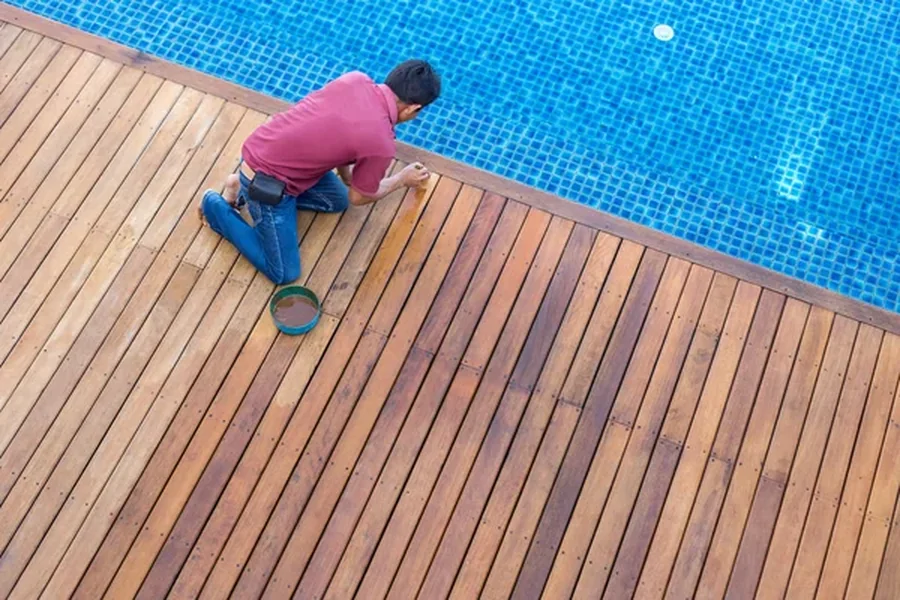
The robustness and aesthetic qualities of WPC decking have encouraged its adoption in commercial and public spaces. From outdoor restaurant areas to public boardwalks, WPC decking offers a reliable and attractive solution that withstands high foot traffic and varying weather conditions.
Addressing Commercial Needs
In commercial spaces, the dual demands of aesthetics and functionality are paramount. WPC decking meets these needs by providing a visually appealing platform that is durable enough to handle the rigours of public use. Its non-slip surface and resistance to wear make it particularly suitable for high-traffic areas.
Conclusion
While the full potential of WPC decking is still being realised, its current offerings already present a compelling case. With its blend of sustainability, durability, and aesthetic flexibility, WPC decking is increasingly becoming the go-to choice for both residential and commercial projects. As technologies evolve and environmental considerations grow in importance, WPC decking’s role in modern landscaping is poised to expand even further, marking a transformative shift in how outdoor spaces are designed and enjoyed.