Transforming Industrial Efficiency: The Rise of Single-Board Computers
Traditional systems are often too large, too power-hungry, or not durable enough for demanding environments. This is where the single-board computer for industrial use has become increasingly important. These compact devices are designed to deliver strong performance while fitting into tight spaces and withstanding harsh working conditions. A single-board computer for industrial use can support automation, monitoring, and data processing tasks in environments where reliability and efficiency are essential.
Industrial sectors now rely heavily on automation, real-time data processing, and connected systems. As a result, computing hardware must be both powerful and reliable. Single-board computers (SBCs) are meeting these expectations by offering a balanced solution that combines performance, efficiency, and durability in one compact form.
Understanding the Industrial Demands
Industrial environments are very different from everyday consumer settings. Machines often operate in extreme conditions, including high heat, cold temperatures, moisture, dust, and constant vibration. Standard computers are not designed to handle such stress for long periods.
Single-board computers are built specifically with these challenges in mind. They are engineered to operate reliably in tough environments where failure is not an option. Whether used in factories, transport systems, or remote installations, SBCs provide stable performance even under pressure. This makes them highly valuable in industries where downtime can lead to significant financial loss.
The Architecture of Resilience
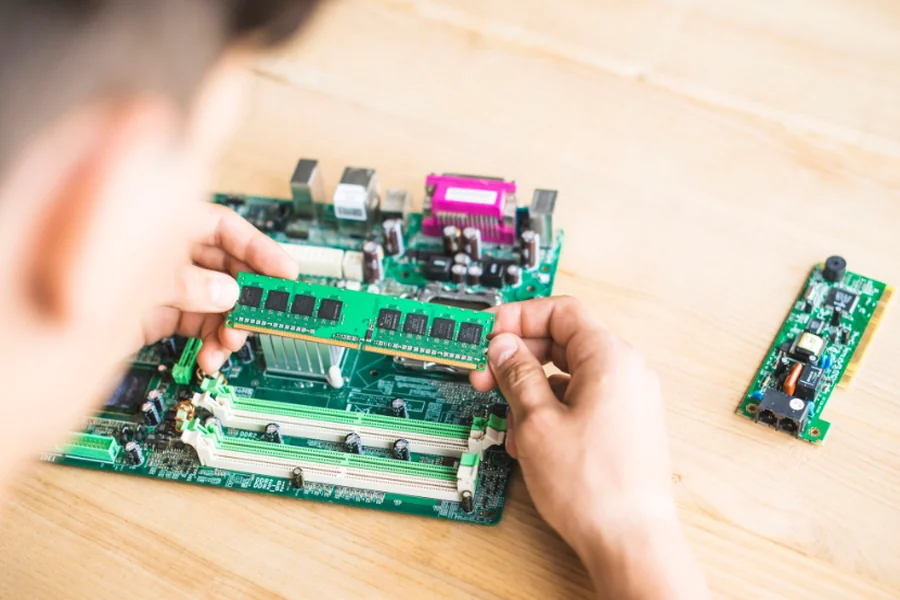
One of the key strengths of single-board computers is their compact and integrated design. Unlike traditional systems that rely on multiple separate components, an SBC combines the processor, memory, storage, and input/output systems onto a single circuit board.
This design reduces physical space requirements and minimises internal complexity. With fewer components, there is also less risk of hardware failure. The simplified structure improves energy efficiency and allows faster communication between components, which is essential for real-time industrial operations.
Because of this architecture, SBCs are well-suited for tasks that require continuous monitoring, automation, and fast decision-making.
Efficiency Through Customisation
Another important advantage of single-board computers is their flexibility. Industries often have very specific requirements, and SBCs can be adapted to meet those needs.
Custom input and output configurations allow integration with specialised machines, sensors, and control systems. This makes SBCs highly versatile across different industrial applications. Whether used in manufacturing equipment or monitoring systems, they can be tailored to match operational demands.
This adaptability ensures that businesses are not limited by rigid hardware structures. Instead, they can build systems that evolve alongside their processes and technologies.
The Role of IoT in Industrial Transformation
The Internet of Things (IoT) has transformed how industries operate by connecting machines, devices, and systems into a unified network. At the centre of many of these systems are single-board computers, which act as key processing units.
SBCs collect, process, and transmit data between connected devices. This allows industries to monitor operations in real time and make informed decisions based on accurate information. For example, sensors on a production line can send performance data to an SBC, which then analyses the data and automatically adjusts machine settings as needed.
This level of automation improves efficiency, reduces waste, and increases productivity. It also helps businesses respond quickly to operational changes.
Application Across Sectors
Single-board computers are used in a wide range of industrial sectors, each benefiting from their compact size and powerful capabilities.
In manufacturing, SBCs are commonly used to automate production lines. They help control machinery, monitor output quality, and reduce human error. This leads to more consistent production and improved efficiency.
In logistics, SBCs support tracking systems and inventory management. They allow companies to monitor goods in real time, improving delivery accuracy and reducing delays.
The energy sector also benefits from SBC technology. These systems help monitor power grids, manage energy distribution, and ensure stable operations. By processing data in real time, SBCs contribute to better energy efficiency and system reliability.
Resilience in the Field
Industrial computing systems must often operate in extreme and unpredictable environments. Single-board computers are designed to perform reliably even under such conditions.
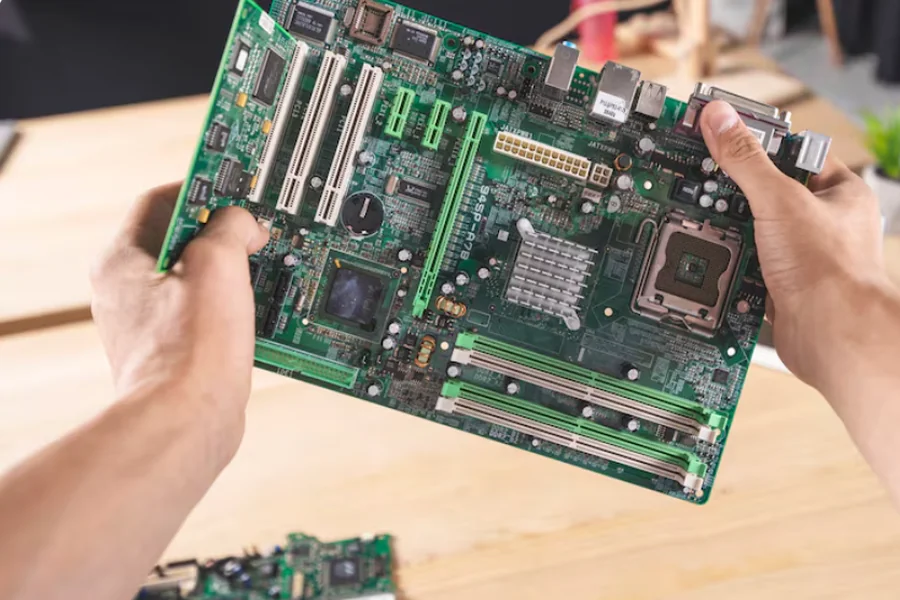
Their rugged construction allows them to function in high-vibration settings, outdoor installations, and temperature-sensitive environments. This makes them suitable for specialised fields such as aerospace and defence, where reliability is critical.
Because SBCs are built for long-term durability, they reduce maintenance requirements and minimise downtime. This makes them a cost-effective solution over time, especially in industries where system failure can be very expensive.
Compliance and Standards
Industries are required to follow strict safety and quality regulations. Computing systems used in these environments must comply with established standards to ensure safe and legal operation.
Many single-board computers are designed to meet international standards such as ISO and RoHS. These certifications ensure that the devices are safe to use, environmentally responsible, and suitable for regulated industries.
Compliance also gives businesses confidence that they are using reliable and approved technology. This reduces risk and supports smooth integration into existing systems.
The Path Forward
As technology continues to advance, the role of single-board computers is expected to grow even further. New developments in artificial intelligence, machine learning, and edge computing are driving demand for more powerful, intelligent SBC systems.
Future industrial applications will likely require even greater processing capabilities, faster data handling, and deeper integration with connected systems. SBCs are well-positioned to meet these demands due to their flexibility and scalable design.
With ongoing innovation, these devices are expected to play a major role in shaping the future of industrial automation and smart manufacturing.
Conclusion
Single-board computers have become essential tools in modern industrial environments. Their compact design, durability, and efficient performance make them ideal for demanding applications across multiple sectors.
By supporting automation, improving data processing, and enabling IoT integration, SBCs help industries operate more efficiently and reliably. As technology continues to evolve, their importance is only expected to increase, making them a key component in the future of industrial development.