Revolutionising Security: The Impact of Remote Surveillance Technology
In an era shaped by rapid technological progress, remote CCTV guarding has become a powerful solution in modern security systems. It offers a more intelligent and efficient way of protecting homes, businesses, and public spaces compared to traditional on-site guarding. This growing reliance on remote CCTV guarding highlights its effectiveness in delivering consistent and proactive surveillance. By combining advanced cameras, internet connectivity, and real-time monitoring, this approach delivers continuous protection while reducing operational pressure and improving response times.
Understanding Remote CCTV Guarding Systems
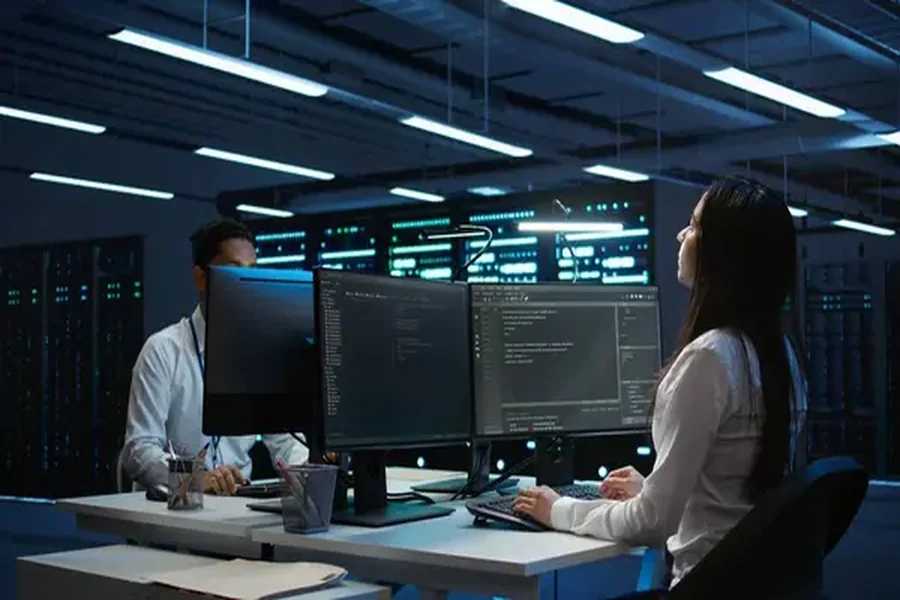
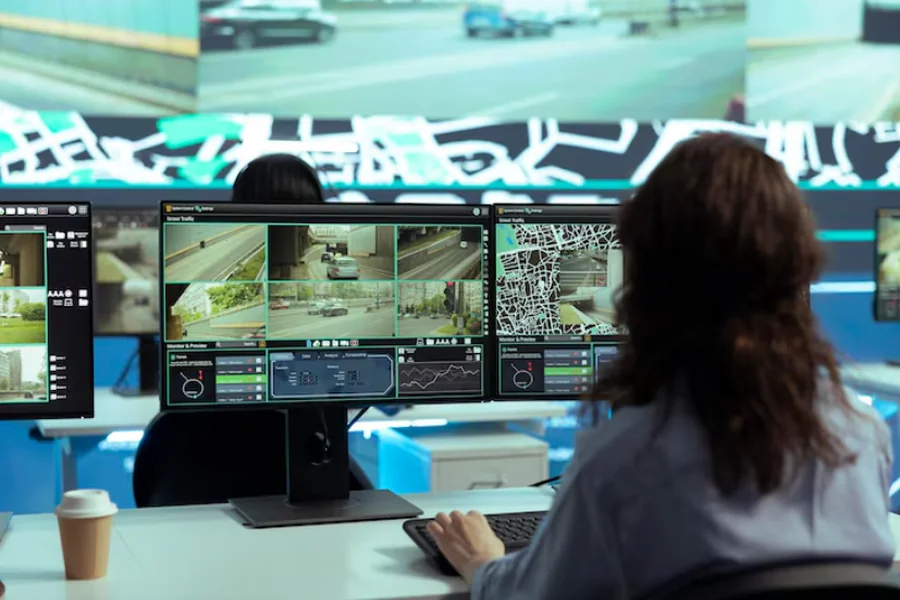
Remote CCTV guarding operates through a network of strategically positioned cameras connected to a central monitoring hub. These cameras continuously capture live footage and transmit it to trained security professionals who observe activity in real time. Instead of relying on physical presence alone, the system uses technology to ensure constant awareness of what is happening on-site.
The cameras used in these systems are designed to deliver high-definition clarity, even in low-light conditions. Many are equipped with night vision, wide-angle coverage, and motion detection features that allow them to capture detailed and accurate visuals. This ensures that even subtle or suspicious movements are identified quickly and assessed properly.
What makes this system especially effective is its ability to integrate with other security tools. Alarms, access control systems, and automated alerts can all be linked together, creating a unified security network. When unusual activity is detected, the system can trigger immediate notifications, allowing for a fast and coordinated response.
How Remote CCTV Monitoring Delivers Real-Time Protection
One of the most important strengths of remote CCTV guarding is its ability to provide continuous real-time monitoring. Security professionals watch live feeds from multiple locations at once, allowing them to detect unusual behaviour as it happens. This immediate visibility reduces delays in response and helps prevent incidents from escalating.
When suspicious activity is identified, the monitoring team can respond in several ways. They may issue live audio warnings through integrated speakers, alert site managers, or contact emergency services if necessary. This proactive response model significantly improves the effectiveness of security operations.
Another key advantage is the consistency of monitoring. Unlike human patrols that may involve breaks or fatigue, remote systems operate continuously without interruption. This ensures that properties remain under constant surveillance, day and night, without lapses in attention.
Cost-Effective and Efficient Security Management
Remote CCTV guarding offers a highly cost-efficient alternative to traditional security services. Instead of employing multiple on-site guards for different locations, organisations can centralise monitoring through a single control centre. This reduces staffing requirements while maintaining a high level of oversight across multiple sites.
The reduction in manpower costs is only one part of the financial benefit. Remote systems also minimise expenses related to training, scheduling, and on-site infrastructure. Over time, businesses can achieve significant savings while still maintaining strong security coverage.
In addition, the efficiency of these systems allows security teams to manage larger areas more effectively. One monitoring centre can oversee several properties at once, making it an ideal solution for organisations with multiple sites or expanding operations.
Advanced Security Features for Enhanced Protection
Modern remote CCTV systems are equipped with advanced technologies that improve detection accuracy and overall performance. Motion sensors help identify unusual movement, while intelligent analytics can distinguish between normal activity and potential threats. This reduces unnecessary alerts and allows security teams to focus on genuine risks.
Facial recognition and object tracking technologies further enhance the system’s capabilities. These tools can help identify individuals or monitor specific behaviours, providing valuable insights during investigations or incidents. High-resolution recording also ensures that captured footage is clear enough to be used as evidence if required.
Automated alert systems play a crucial role in improving response times. When a threat is detected, alerts can be sent instantly to monitoring teams, security personnel, or property owners. This rapid communication helps ensure that appropriate action is taken without delay.
Scalability and Operational Flexibility
One of the key strengths of remote CCTV guarding is its flexibility. Security requirements often change over time, especially for growing businesses or developing properties. These systems can be easily expanded by adding more cameras or upgrading software without major disruption.
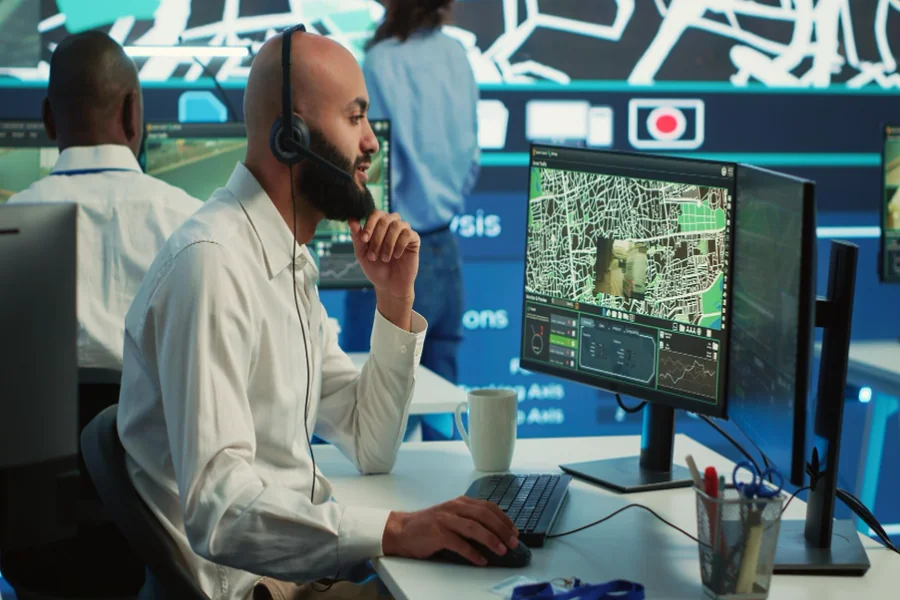
This scalability makes remote surveillance suitable for a wide range of environments, from small residential properties to large industrial complexes. As security needs increase, the system can adapt without requiring a complete overhaul of existing infrastructure.
Flexibility also extends to system configuration. Cameras can be repositioned, monitoring settings can be adjusted, and alerts can be customised based on specific risks. This ensures that each setup is tailored to the unique requirements of the property being protected.
Immediate Response and Incident Management
A major advantage of remote CCTV guarding is its ability to support rapid incident response. When suspicious activity is detected, the system enables immediate communication between monitoring teams and relevant authorities. This ensures that potential threats are addressed quickly and effectively.
In many cases, live audio intervention can be used to deter intruders before an incident escalates. This direct communication often prevents crime from occurring in the first place. If an incident does take place, recorded footage and real-time alerts provide valuable information for investigation and resolution.
Remote systems also support better coordination during emergencies. Security teams can guide emergency responders by providing live updates and accurate situational awareness, improving overall response efficiency.
Privacy, Data Protection, and Responsible Use
As with any surveillance technology, privacy and data protection are important considerations. Organisations using remote CCTV systems must ensure that all data is handled responsibly and in compliance with relevant regulations.
Secure data storage is essential to protect recorded footage from unauthorised access. Encryption methods are commonly used to safeguard video streams and stored files. Regular system audits also help identify vulnerabilities and ensure ongoing compliance with security standards.
Clear privacy policies are necessary to maintain transparency. Individuals should be informed about the presence of surveillance systems and how data is used. Responsible implementation helps build trust while ensuring that security measures remain ethical and lawful.
The Future of Intelligent Security Systems
The future of remote CCTV guarding is closely linked to advancements in artificial intelligence and smart technology. AI-powered systems are expected to play an even greater role in analysing behaviour, identifying threats, and reducing false alarms. This will make security systems more accurate and efficient over time.
Machine learning technologies can help systems improve their performance by learning from past incidents. This allows them to better distinguish between normal and suspicious activity, reducing unnecessary interventions and improving decision-making.
Integration with Internet of Things (IoT) devices will also expand the capabilities of remote surveillance. Smart sensors, connected alarms, and automated response systems will work together to create fully integrated security environments.
Emerging technologies such as autonomous security drones and mobile surveillance units are also expected to enhance coverage. These tools can patrol large or complex areas that are difficult to monitor using fixed cameras alone, offering greater flexibility and reach.
Conclusion
Remote CCTV guarding represents a significant advancement in modern security solutions. By combining real-time monitoring, intelligent technology, and centralised control, it provides a more efficient and reliable way to protect properties. Its ability to reduce costs, improve response times, and adapt to changing needs makes it a valuable option for both businesses and homeowners.
As technology continues to evolve, these systems will become even more sophisticated, offering smarter detection, faster responses, and greater integration with other security tools. The result is a more proactive and dependable approach to safeguarding people, assets, and environments.