Why Online Gaming Feels Built for Real-Time Social Interaction
Have you ever noticed how online gaming makes talking, reacting, and teaming up feel almost automatic? That feeling is not accidental. Real-time social interaction fits online games so well because the structure of play pushes people to communicate in the exact moments when communication matters most.
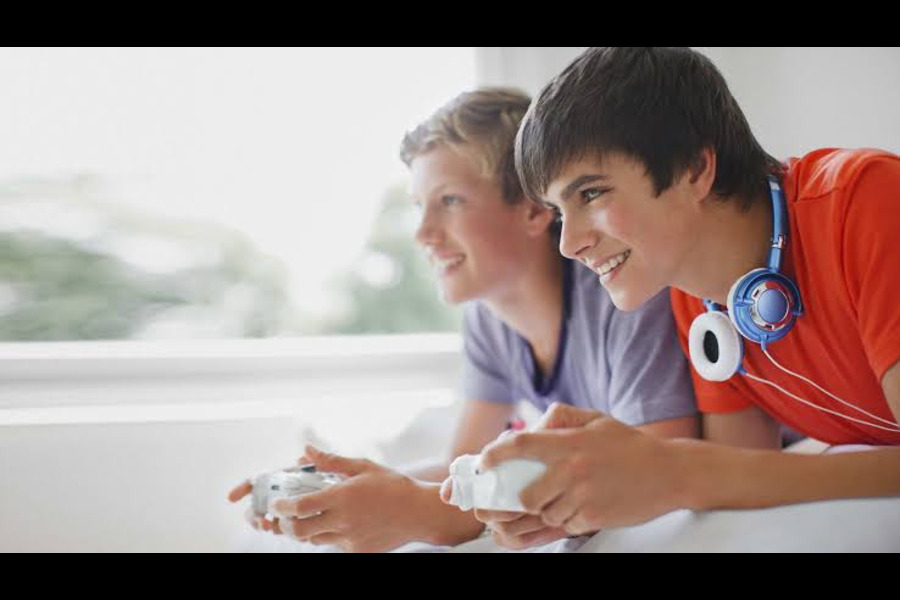
Unlike many other digital activities, online games create shared situations that change second by second. Players are not just looking at the same screen or reading the same chat. They are responding to the same event, under the same pressure, with a clear reason to coordinate, joke, warn, or celebrate together.
That mix of urgency, shared attention, and constant feedback gives online gaming a social rhythm that feels natural. The social side works because the game keeps producing moments that call for instant human response, and those moments happen again and again during a single session.
Shared Goals Create Instant Conversation
A common objective gives people something specific to talk about right away.
Coordination Has A Clear Purpose
Online games often place players in situations where success depends on timing, positioning, and quick choices. That setup removes the awkwardness that can happen in open-ended chat because every message has an immediate use. A warning about an incoming threat, a request for help, or a quick plan for the next move all serve a direct function.
This is one reason strangers can start communicating fast in online matches. They do not need a long introduction to begin interacting. The game supplies a shared task, and that task gives the conversation a practical starting point.
Conversation Starts With Action
In many social spaces, people talk first and act later. Online gaming flips that pattern. Players are already doing something together, so communication grows out of action instead of trying to create action from scratch.
That difference matters because action-based conversation feels easier and more natural. A person can join a team, respond to what is happening, and feel included within minutes. Even short comments carry social weight because they happen inside a live shared event.
Speed Makes Interaction Feel Alive
Fast pacing gives social exchange energy and immediacy.
Real-Time Feedback Keeps People Connected
Online games reward quick reactions. If one player speaks, teammates often answer through movement, voice, or a choice on screen within seconds. That immediate feedback makes interaction feel active instead of delayed.
Rapid response also strengthens attention. People stay tuned in because what another player says can affect the next moment of play. That creates a loop where communication and action continuously shape each other.
Timing Turns Talk Into A Skill
In real-time play, saying the right thing at the right moment matters. A useful message delivered too late may not help at all. That turns communication into part of performance, not a separate layer sitting on top of the game.
Players often learn to be concise, specific, and fast because the pace demands it. That style of communication supports teamwork and keeps social interaction tightly linked to the flow of play.
Some online communities even build their identity around that fast, readable style of group interaction, much like spaces connected to SEMPROT99 where timing and response patterns shape how people relate in the moment.
Shared Pressure Builds Social Bonds Quickly
Pressure gives people a strong reason to rely on one another.
High-Stakes Moments Create Trust
When players face a difficult challenge together, they start judging one another through actions that have visible results. A teammate who supports the group at the right time earns trust fast. That trust feels concrete because it was formed through a shared test, not abstract conversation.
Those moments also make social interaction more memorable. People tend to remember who helped recover a bad situation, who stayed calm, and who adapted under pressure. Shared tension turns brief exchanges into meaningful social signals.
Recovery After Mistakes Encourages Cooperation
Online games rarely go perfectly, and that unpredictability helps social interaction. Players need to recover from missed chances, poor timing, or unexpected problems. Working through those moments together builds a cooperative mindset.
That kind of interaction feels human because it includes adjustment, forgiveness, and quick problem solving. Instead of following a rigid script, players react to changing conditions and negotiate what to do next.
Game Systems Constantly Generate Reasons To Interact
Good online design keeps producing moments that call for communication.
Roles And Abilities Make People Interdependent
Many online games give players different jobs, tools, or strengths. That structure creates natural interdependence because each person sees only part of the full picture or handles only part of the challenge. Social interaction becomes useful because no single player can easily do everything alone.
Interdependence also makes communication more varied. One person may call targets, another may track resources, and another may focus on defense or support. Since each role adds a different perspective, conversation stays active and functional.
Unpredictability Prevents Social Stagnation
If every match unfolded the same way, communication would become repetitive. Online gaming avoids that by producing shifting situations that force players to update plans in real time. Random events, human opponents, and changing team behavior keep interactions fresh.
That constant variation helps people stay mentally present with one another. They cannot rely entirely on habit because the next situation may demand a new response, a new callout, or a new decision.
Voice, Text, And Signals Support Different Social Styles
Multiple communication tools make real-time interaction easier for different kinds of players.
Short Messages Lower The Barrier To Joining In
Not everyone wants to speak constantly, and online games often account for that. Quick text chat, pings, markers, and short preset messages let players contribute without stopping the action. These tools support social participation even for people who prefer brief communication.
That matters because real-time interaction works best when many players can take part comfortably. The option to communicate in different ways widens access without weakening coordination.
Voice Adds Tone And Personality
Voice chat changes the feel of interaction because it carries timing, emotion, and personality more directly than text. A laugh after a close call, a calm instruction during chaos, or a quick apology after a mistake all add social texture that typed messages cannot fully match.
Real-time voice also helps groups form a shared rhythm. Players can interrupt, react, and build on each other’s comments naturally, which makes the exchange feel closer to face-to-face conversation.
Repeated Sessions Turn Quick Contact Into Ongoing Connection
Regular play gives social interaction continuity beyond a single match.
Familiarity Grows Through Recognition
People often meet the same teammates, rivals, or community members across multiple sessions. Recognition changes the tone of interaction because players carry memory from earlier encounters. A short greeting or callback to a past match can create immediate warmth and context.
That repeated contact supports stronger social ties without requiring formal structure. Familiarity grows through shared experiences, inside jokes, and remembered play styles.
Rituals Form Around Play Sessions
Online groups often develop habits such as warming up together, reviewing mistakes after a match, or celebrating a clean win in a familiar way. These patterns turn ordinary sessions into social rituals, and rituals make interaction feel stable and expected.
Communities linked through recurring play often organize themselves around these repeat behaviors, similar to how people in spaces like SEMPROT99 SLOT can build recognition through ongoing real-time participation rather than long formal introductions.
Online Gaming Combines Attention, Emotion, And Response
The strongest social spaces give people something to focus on together while they react in the same moment.
Shared Attention Makes Interaction Stronger
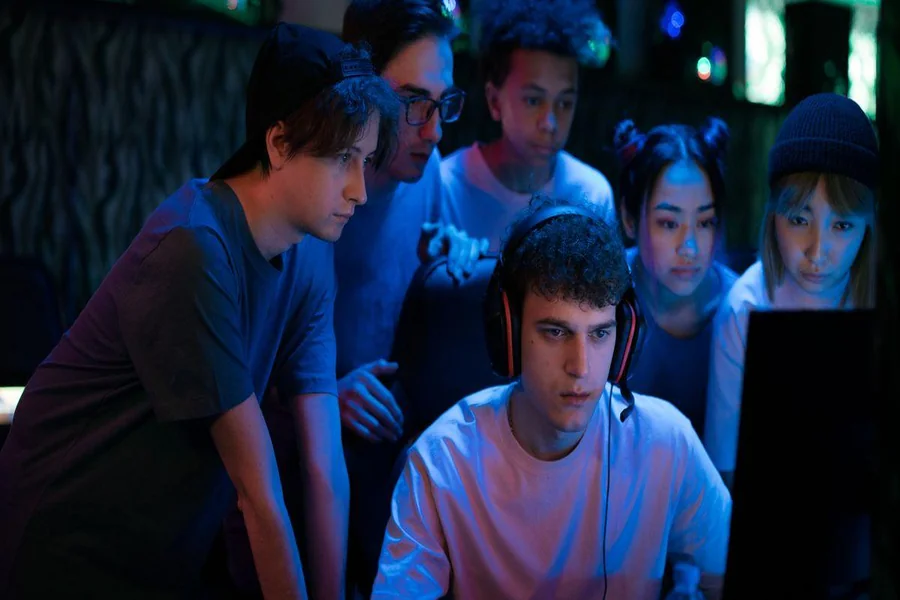
During online play, everyone is focused on the same immediate situation. That shared attention makes communication more efficient because players do not need to explain the full context behind every message. A few words can carry a lot of meaning when everyone sees the same event unfolding.
This creates a dense form of social exchange where communication feels sharp and relevant. Messages land quickly because the group already shares the scene, the goal, and the urgency.
Emotion Arrives At The Exact Right Time
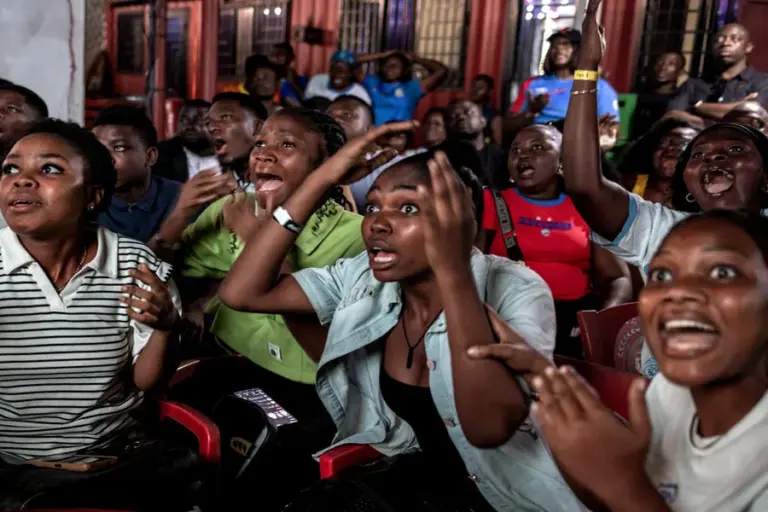
Excitement, relief, surprise, and humor hit hardest when people feel them together in real time. Online gaming produces many of those synchronized emotional moments, and that is a major reason the social side feels so natural. Players are not reacting to old news or separate experiences. They are feeling the same swing at nearly the same second.
That mix of shared attention, immediate stakes, flexible communication, and repeated contact is why online gaming feels built for real-time social interaction. The medium keeps giving people live reasons to speak, listen, react, and remember each other, which makes social connection part of the activity itself rather than an extra feature added on later.