Advances in Appendectomy: A Deep Dive into Singapore’s Medical Excellence
In the realm of abdominal surgeries, the appendectomy stands out as both common and crucial. The decision to undergo appendix surgery in Singapore is often met with confidence, owing to the country’s advanced healthcare system and its pool of highly trained surgeons.
Understanding the Procedure
An appendectomy is a surgical intervention conducted to remove an inflamed appendix, a condition known as appendicitis. If left untreated, appendicitis can lead to the rupture of the appendix, which can result in a severe and potentially life-threatening infection called peritonitis. The hallmark of appendicitis includes symptoms such as sharp abdominal pain, nausea, vomiting, and fever, prompting the need for immediate medical evaluation.
Surgical Approaches: Open vs. Laparoscopic
Two primary surgical methods are employed to perform an appendectomy: the traditional open appendectomy and the minimally invasive laparoscopic appendectomy. The choice of technique often depends on the patient’s condition and the surgeon’s expertise.
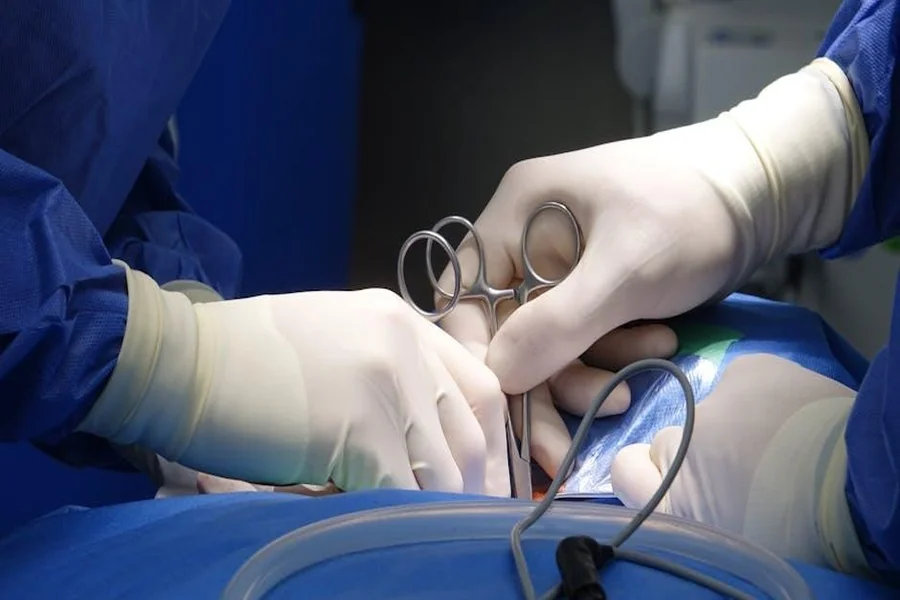
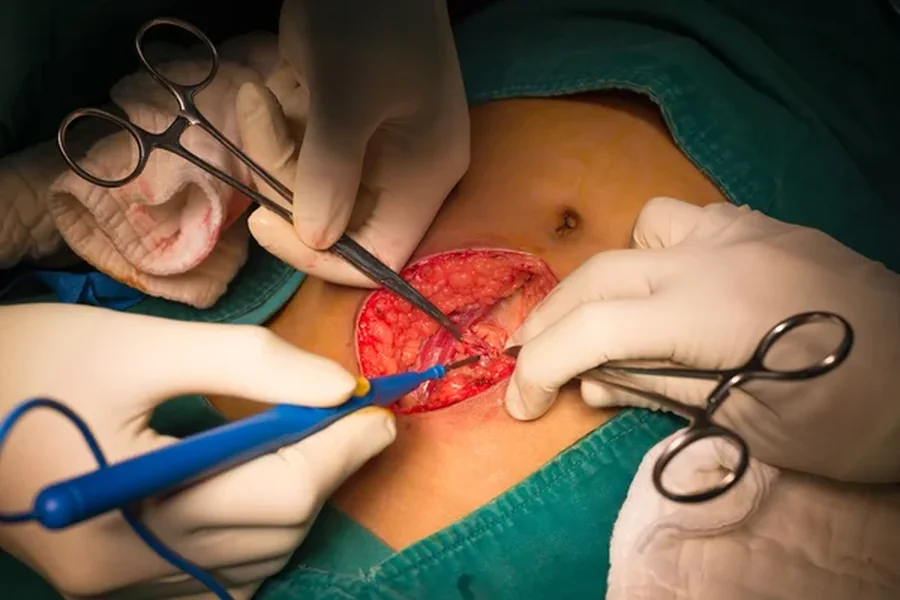
In an open appendectomy, a single, larger incision is made in the lower right-hand side of the patient’s abdomen. This method may be necessary for complicated cases where the appendix has ruptured or for patients with a history of abdominal surgery. Despite being the traditional approach, it typically results in a longer recovery time and more noticeable scarring.
Conversely, laparoscopic appendectomy requires three to four small incisions through which a laparoscope, a small camera and surgical instruments are inserted. This minimally invasive technique offers several benefits, including reduced postoperative pain, shorter hospital stays, and faster recovery times.
Singapore’s Healthcare Infrastructure
Singapore’s healthcare system is renowned globally for its high standards and efficiency. Hospitals are equipped with cutting-edge medical technology and facilities that facilitate a wide range of surgical procedures, including appendectomies. The Ministry of Health in Singapore oversees strict regulations and accreditations to ensure that healthcare providers maintain exemplary standards in patient care and safety.
Preoperative and Postoperative Care
Preoperative care for an appendectomy involves a thorough assessment of the patient’s medical history, physical examination, and necessary imaging tests, such as an ultrasound or CT scan, to confirm appendicitis. Patients may also receive antibiotics to prevent infection.
Postoperative care focuses on monitoring the patient for any signs of complications, such as infection or bleeding, and managing pain. Patients are generally encouraged to move around soon after surgery to reduce the risk of blood clots and expedite recovery. Dietary advice and follow-up appointments form an integral part of recovery to ensure a smooth transition back to normal activities.
Recovery and Lifestyle Adjustments
Recovery from an appendectomy varies depending on the surgical method used. Most patients who undergo a laparoscopic appendectomy can return to normal activities within one to three weeks, whereas those who have an open appendectomy may need a longer recuperation period. Patients need to adhere to the doctor’s instructions regarding wound care and activity restrictions to promote healing.
Lifestyle adjustments include maintaining a balanced diet to aid recovery and boost the immune system. Patients are advised to avoid strenuous activities until cleared by their healthcare provider. Additionally, it is important for patients to stay hydrated and consume foods rich in vitamins and minerals to support recovery.
Risks and Complications
Like any surgical procedure, an appendectomy carries potential risks and complications. These may include infection at the incision site, bleeding, or adverse reactions to anaesthesia. In rare instances, patients may develop a postoperative abscess or bowel obstruction.
To mitigate these risks, patients should promptly report any unusual symptoms, such as fever, excessive abdominal pain, or discharge from the surgical site, to their healthcare provider. Effective communication between the patient and their medical team is vital in addressing concerns and ensuring a successful recovery.
The Role of Technology and Innovation
Singapore’s medical landscape continuously embraces technological advancements and innovative practices to enhance surgical outcomes. Robotics and AI-assisted surgeries are being explored to improve precision and reduce human error. These technological strides make appendix surgery in Singapore not only effective but also at the cutting edge of medical innovation.
Medical professionals in Singapore are also active in research and development, contributing to global advancements in surgical techniques and patient care protocols. This commitment to research ensures that Singapore remains at the forefront of medical excellence.
Training and Expertise of Medical Professionals
Singapore boasts a robust framework for training aspiring and practising surgeons. Rigorous education and certification processes are in place to uphold the highest standards of surgical competency. Continuous professional development and participation in international conferences are encouraged to keep up with global medical advancements.
The collaborative approach among multidisciplinary teams in managing patient care further underscores the quality of healthcare services. Surgeons, anaesthetists, nurses, and support staff work in unison to ensure patient safety and optimal surgical outcomes.
Conclusion: Emphasis on Quality Care
The decision to undergo an appendectomy is often daunting for patients and their families. However, Singapore’s healthcare infrastructure, coupled with its focus on quality care and innovation, offers reassurance to those needing this essential surgery. Through continuous commitment to excellence, Singapore remains a leader in providing patients with world-class surgical options.